Australian construction reform proposals: what tradespeople in Singapore can prepare now
News · 2026-08-21 · 4 min read
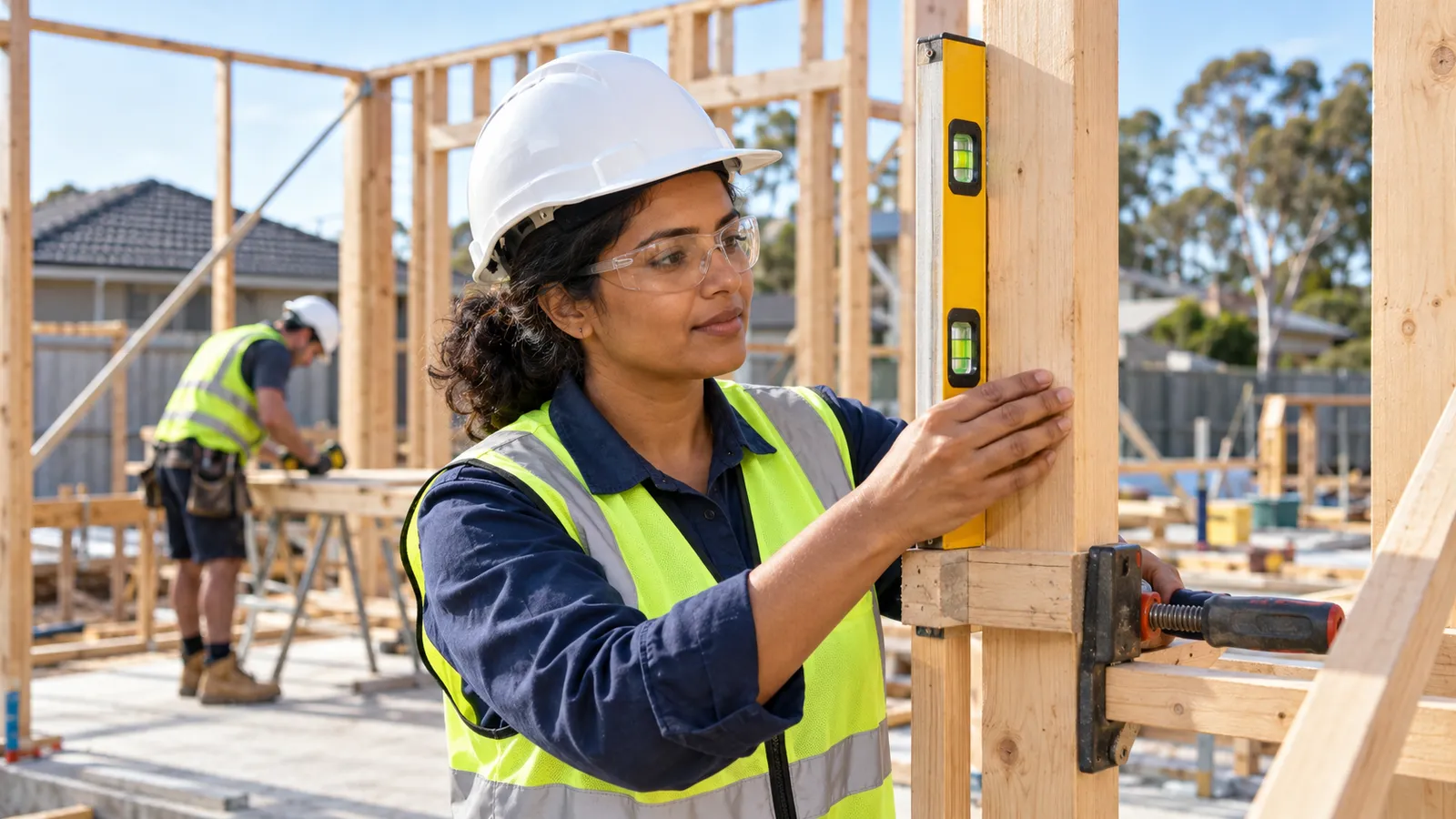
Tradespeople in Singapore can prepare clear evidence of their skills while following Australia’s construction reform debate. The proposals discussed here sought faster processing, better recognition of overseas qualifications and migration settings more responsive to housing demand. They were calls for change, not confirmation that applicants could use a new route or bypass existing requirements.
Why national unemployment did not explain the trade shortages
The July 2026 ABS Labour Force figures put national unemployment at 4.5 per cent, with around 15,800 jobs lost, mainly part-time positions. Those economy-wide figures sat alongside a construction workforce shortfall described as hundreds of thousands. Apprenticeship commencements had reached a five-year low, weakening the future supply of tradespeople.
The National Housing Accord commitment was to deliver 1.2 million homes by mid-2029. Olympic infrastructure and other critical projects added to the demand for labour. The historical argument was that an increase in unemployment did not automatically produce the particular skills needed to build housing, carry out electrical and plumbing work or supervise a site.
What reform advocates wanted to change
The debate supported reversing cuts to apprenticeship incentives and widening Fee-Free TAFE access. Training remained essential, but it could not instantly provide an experienced workforce. Skilled migration was presented as a complementary response to that timing problem.
Concerns included slow processing, high costs for applicants and employers, and occupation lists and pathways that did not consistently give sufficient priority to construction trades. Carpenters, electricians, plumbers and site supervisors were among the roles highlighted. The proposed response covered several different decisions:
- Accelerating processing for construction occupations so recruitment delays would not prolong stalled projects.
- Making pathways clearer and more generous for overseas-qualified tradespeople, including improved recognition of trade certifications.
- Aligning regional and employer-sponsored settings with housing demand beyond capital cities.
- Giving construction occupations genuine priority within skilled occupation lists.
None of these proposals, by itself, established a new entitlement for someone applying from Singapore. The distinction also matters when reading the argument for better organisation on Australian construction sites: improved staffing and improved delivery systems address related but different constraints.
Prepare a skills record that survives a policy change
Start with what you can substantiate. A carpenter can describe the work undertaken and the level of responsibility held. An electrician or plumber should record the actual scope of their duties and credentials. A site supervisor should explain supervision responsibilities without implying responsibility for work outside their remit.
For Singapore qualifications, retain the exact Nitec, Higher Nitec, polytechnic or other award title printed on the certificate. Keep the actual issuer on a WSQ Statement of Attainment. Pair training records with employment documents and referees who can explain your work. These materials help communicate experience; they do not automatically establish Australian occupational recognition.
Trades Recognition Australia distinguishes skills assessment from occupational licensing. Its assessment does not award an Australian qualification, registration or licence. Check the appropriate assessment process for your circumstances rather than assuming a call for easier recognition has already changed the rules.
Use Build AI CV to present your trade history clearly, retaining accurate dates and responsibilities. Then compare that evidence against the requirements in individual job listings. A national shortage is useful background, but the actual vacancy determines what experience the employer seeks.
Common mistakes when following migration reform
A proposal is not an implemented visa setting. Another mistake is interpreting demand for a trade as proof that all overseas qualifications are accepted. Readers in Singapore should also avoid assuming that their residence establishes citizenship or eligibility. Finally, do not treat Australian housing targets as evidence of equivalent opportunities elsewhere; New Zealand’s infrastructure workforce pressures involve a different project pipeline.
Frequently asked questions
Did the proposals announce an immediate application shortcut?
No. They described changes advocates wanted. The discussion did not establish an operating fast-track route or a processing commitment for an individual application.
Why could apprenticeship investment not solve everything immediately?
Developing a new generation of qualified tradespeople takes time. The argument paired domestic training with migration reform to address both future capacity and nearer-term shortages.
Does a Singapore trade credential replace an Australian licence?
No automatic equivalence should be assumed. Present the original credential accurately and investigate the relevant assessment and licensing requirements separately.
Should I postpone preparing my application documents?
You can organise reliable employment and training evidence now. Keep decisions about a particular job or visa tied to its actual requirements, rather than a hoped-for policy change.
Key takeaways
The historical debate linked housing delivery to both apprenticeships and skilled migration. Its proposed reforms remain proposals within this account. For applicants in Singapore, the practical preparation is an accurate skills record, a clear description of responsibilities and careful comparison with a real vacancy.
#construction #australia #trade qualifications #singapore #migration reform
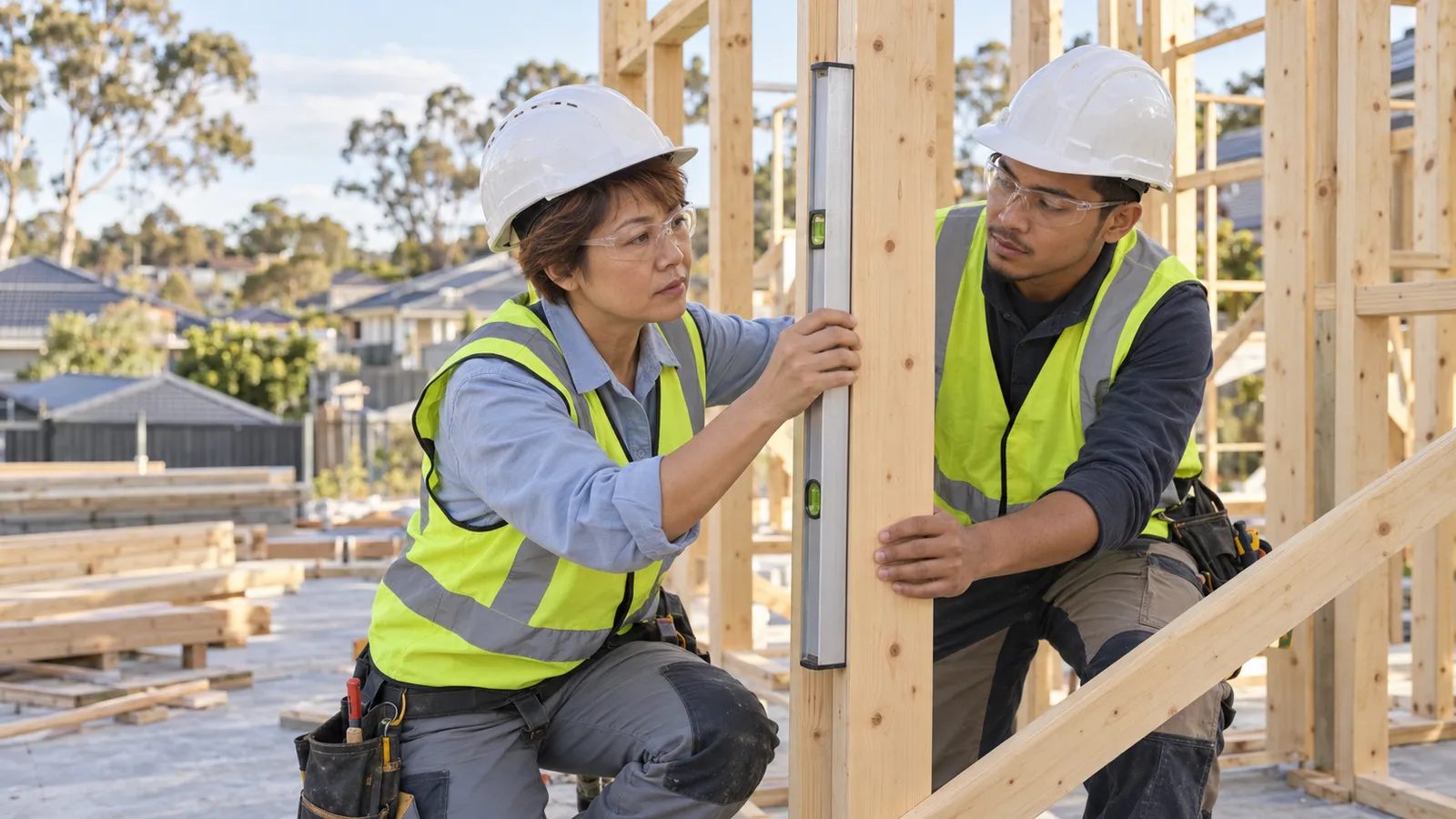 Australia needs more tradies: how should workers in Singapore prepare?
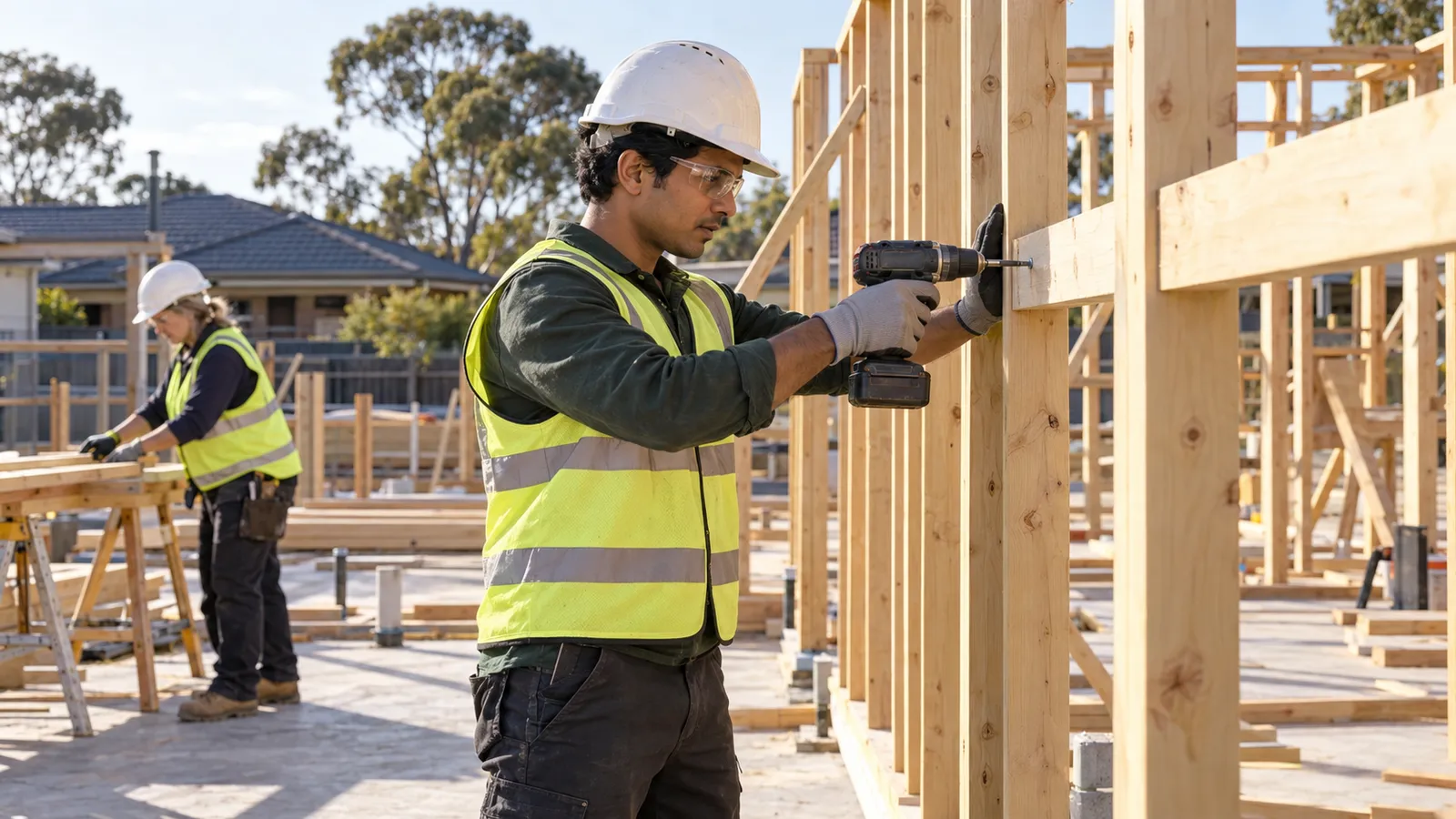 Australia needs builders: what Singapore applicants should check beyond the shortage
 Moving from Singapore to an Australian building site? Assess how the work is organised