Considering Australian harvest work from Singapore? Check what the visa headlines mean
News · 2026-09-25 · 4 min read
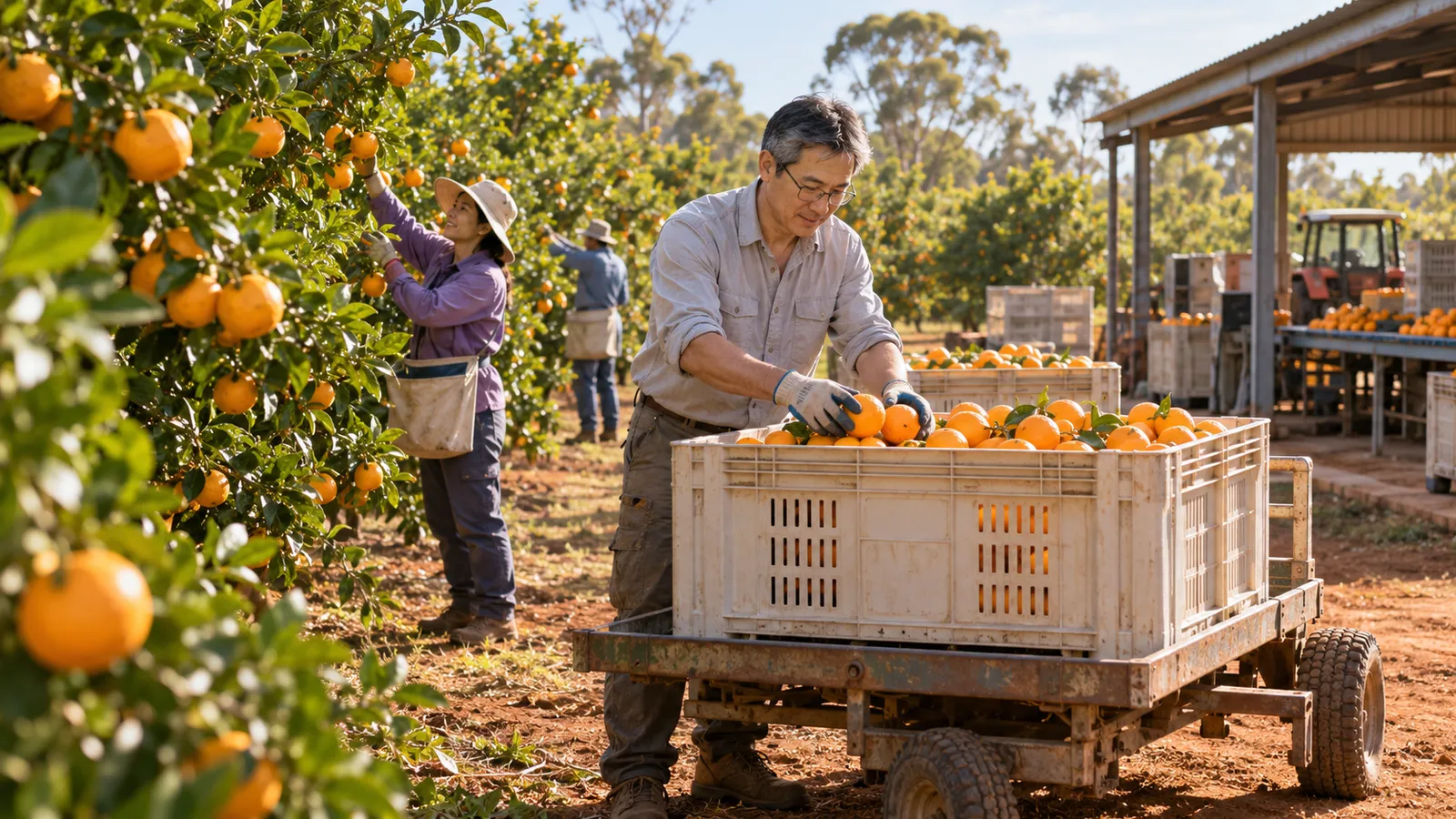
A harvest labour shortage does not establish your right to work in Australia or secure a later visa. For readers preparing from Singapore, the working-holiday debate examined here is useful historical context for the risks of planning around an expected extension. The announced arrangements and processing figures discussed at the time must not be treated as a current application checklist.
Start with the permission you would actually need
Singapore citizens considering this kind of trip should consult the Australian Work and Holiday visa guidance. A Singapore address, permanent residence or local work pass does not establish citizenship or eligibility. Readers holding other passports need to check the conditions applicable to their own circumstances.
A holiday route with temporary work is also distinct from employer sponsorship. Start by identifying the route, then consider suitable jobs. Reversing that order can leave a carefully planned harvest itinerary dependent on permission you do not hold.
What created uncertainty for returning workers
The historical discussion contrasted completing 88 days of regional or remote work for a second-year extension with an announced ballot model. It described second-year places falling from 57,000 to 45,000, and third-year places from 31,000 to 5,000. Those figures explain the concern raised at the time; they are not presented here as verified current allocations.
For a worker, the distinction is between satisfying a work-related condition and securing permission for a further stay. For a grower, it is between hoping an experienced worker returns and being able to plan a harvest around that return. Completing work should never be described as an unconditional entitlement to a further stay.
The same historical account described applications being paused for 24 of 29 eligible countries and processing moving from days to roughly three months. These were time-specific claims, not an estimate for an application made now. Use the official further-stay requirements when assessing an extension.
A seasonal vacancy and a structured placement differ
Small family farms may need mobile workers for a short harvest rather than continuous employment. The account highlighted pressure ahead of Christmas and harvest windows for citrus and berries, alongside demand for work on crops such as mangoes. Timing matters because ripe produce cannot simply wait for a workforce to arrive.
Larger agricultural operations were described as drawing more heavily on the Pacific Australia Labour Mobility (PALM) scheme. Its longer, structured placements do not reproduce the flexibility of backpackers moving between regions over a few weeks. PALM is a separate scheme, not a general alternative available merely because someone lives in Singapore.
The discussion also included an announced addition of agriculture to the skilled-worker visa list. Horticulture coverage and qualification thresholds were still unresolved in that account. Do not convert that historical announcement into a claim that any farm vacancy offers sponsorship.
Build a plan that can withstand a changed start date
- Ask for a written description of the work, location and expected employment period before organising travel around a harvest.
- Keep accurate records of duties, work dates and pay. Check which evidence the relevant visa process accepts.
- Present actual experience from Singapore honestly, including transferable practical skills without claiming agricultural experience you do not have.
- Consider what you would do if a job starts later or a further stay is unavailable.
Explore Seasonal Jobs Australia for seasonal-work opportunities and compare individual terms with the roles listed on JobsAbroad Singapore. A listing is a starting point for checking fit, not evidence of your visa eligibility.
Common mistakes when planning around a harvest
Avoid treating a labour shortage as sponsorship, assuming every farm task counts for further-stay purposes, or using an old processing estimate to book a fixed departure. Keep temporary work separate from longer-term migration planning. Our analysis of Australia's population forecasts explains the wider workforce debate, while the New Zealand Catalyst Visa proposal shows why an attractive policy idea still needs formal rules.
Frequently asked questions
Are the ballot figures current instructions?
No. They are retained as historical figures from the announcement discussed here. Verify the applicable official process before making a decision.
Does living in Singapore establish working-holiday eligibility?
No. Residence and citizenship are different. Use your passport and personal circumstances when checking the relevant route.
Can a farm's staffing shortage secure my extension?
No. An employer's need for labour does not determine the outcome of a visa application.
Should I assume horticulture has a skilled pathway?
No. The historical announcement left that coverage and qualification detail unsettled. Check the actual occupation and route rather than relying on an industry label.
Key takeaways
Keep harvest demand, job selection and immigration permission distinct. Preserve useful work evidence, allow for uncertainty and verify the rules that apply to your passport. Historical allocations and delays explain the debate; they do not settle your next application.
#harvest #working holiday #australia #seasonal work #visa planning
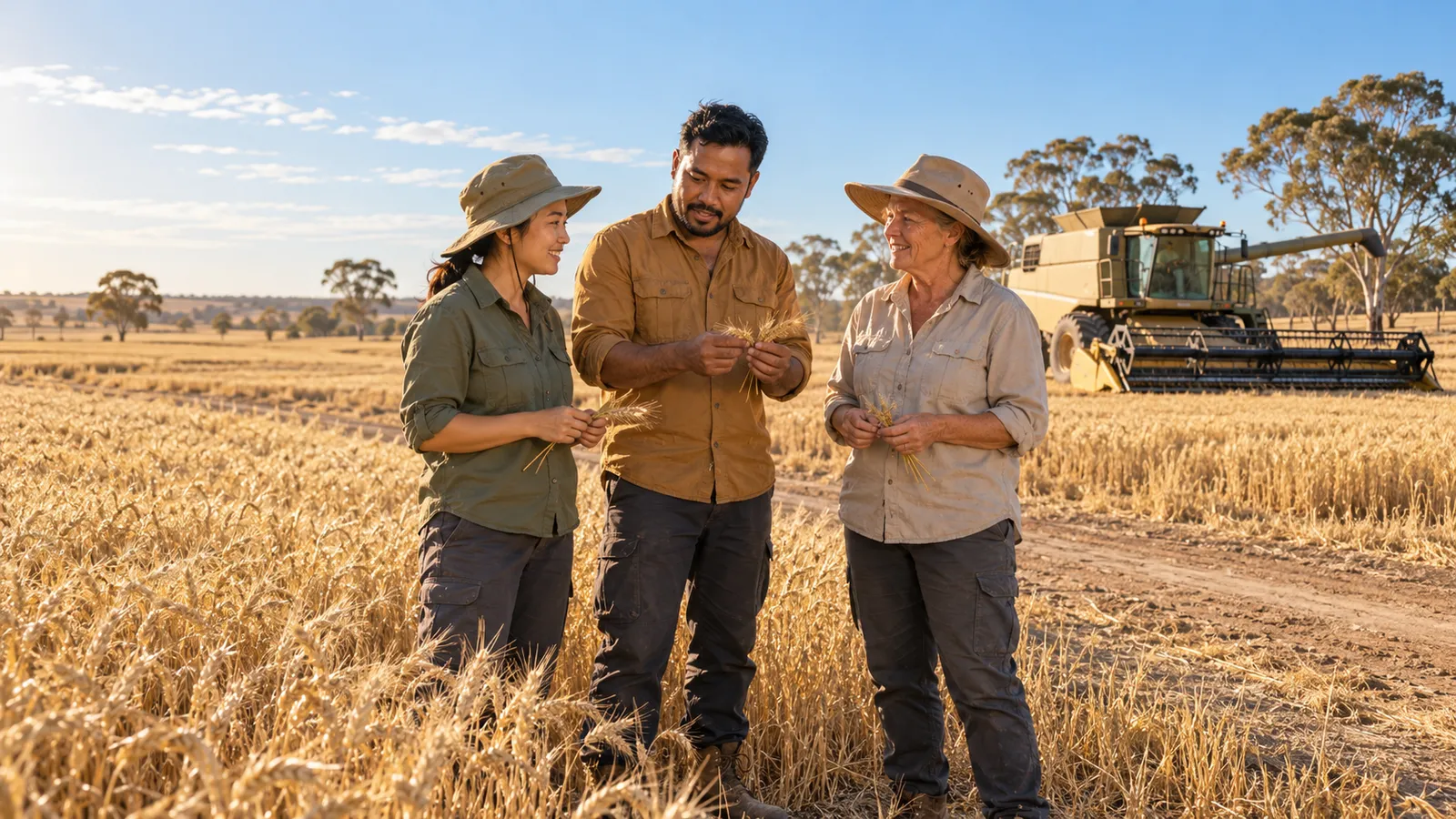 An Australian harvest offer from Singapore: can the visa timing work?
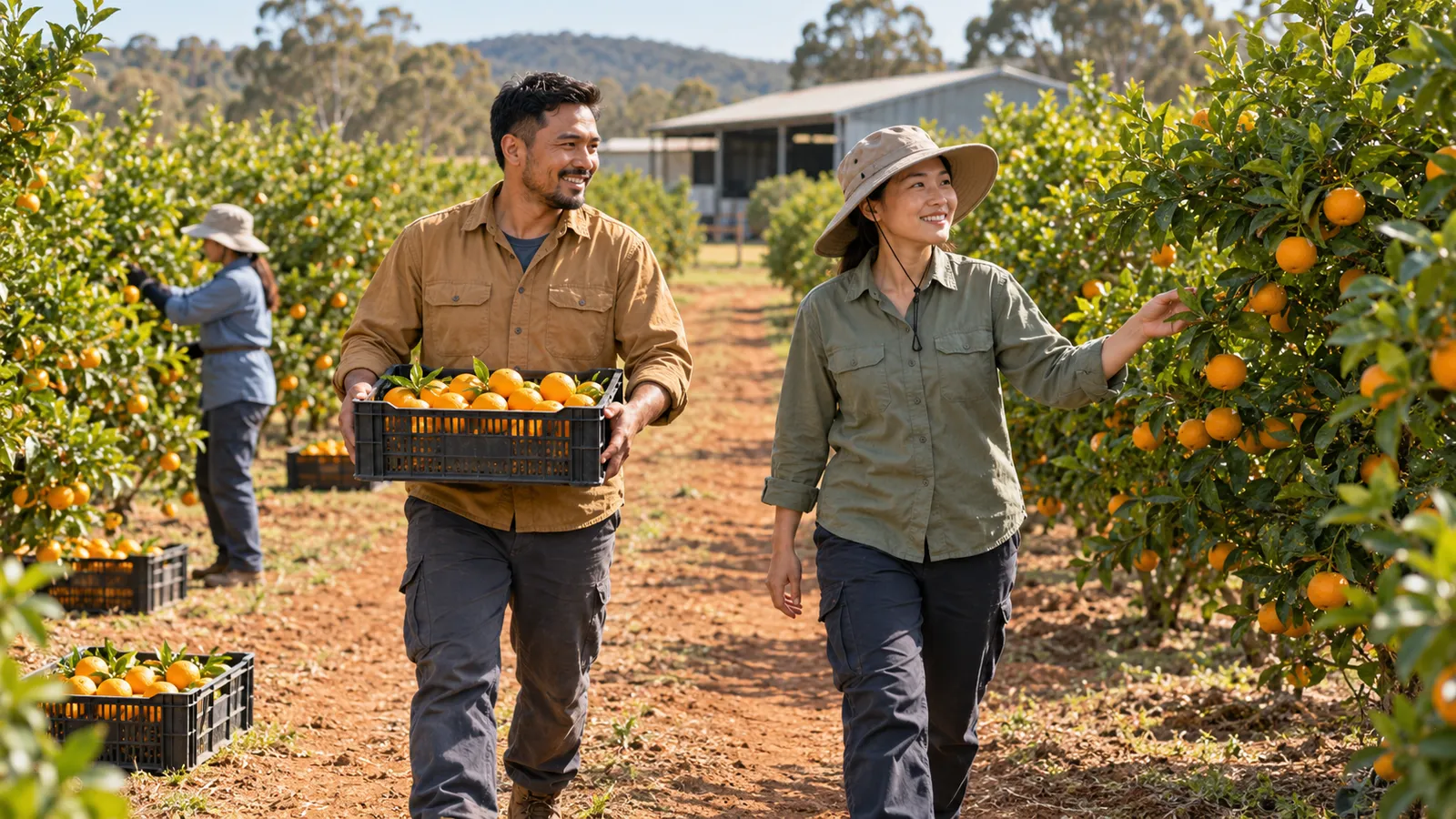 Planning an Australian working holiday from Singapore? Budget for ballot uncertainty
 Planning Australia from Singapore? Read migration targets before changing your plans