Planning Australian study from Singapore? Test your family plan against the proposals
News · 2026-08-28 · 4 min read
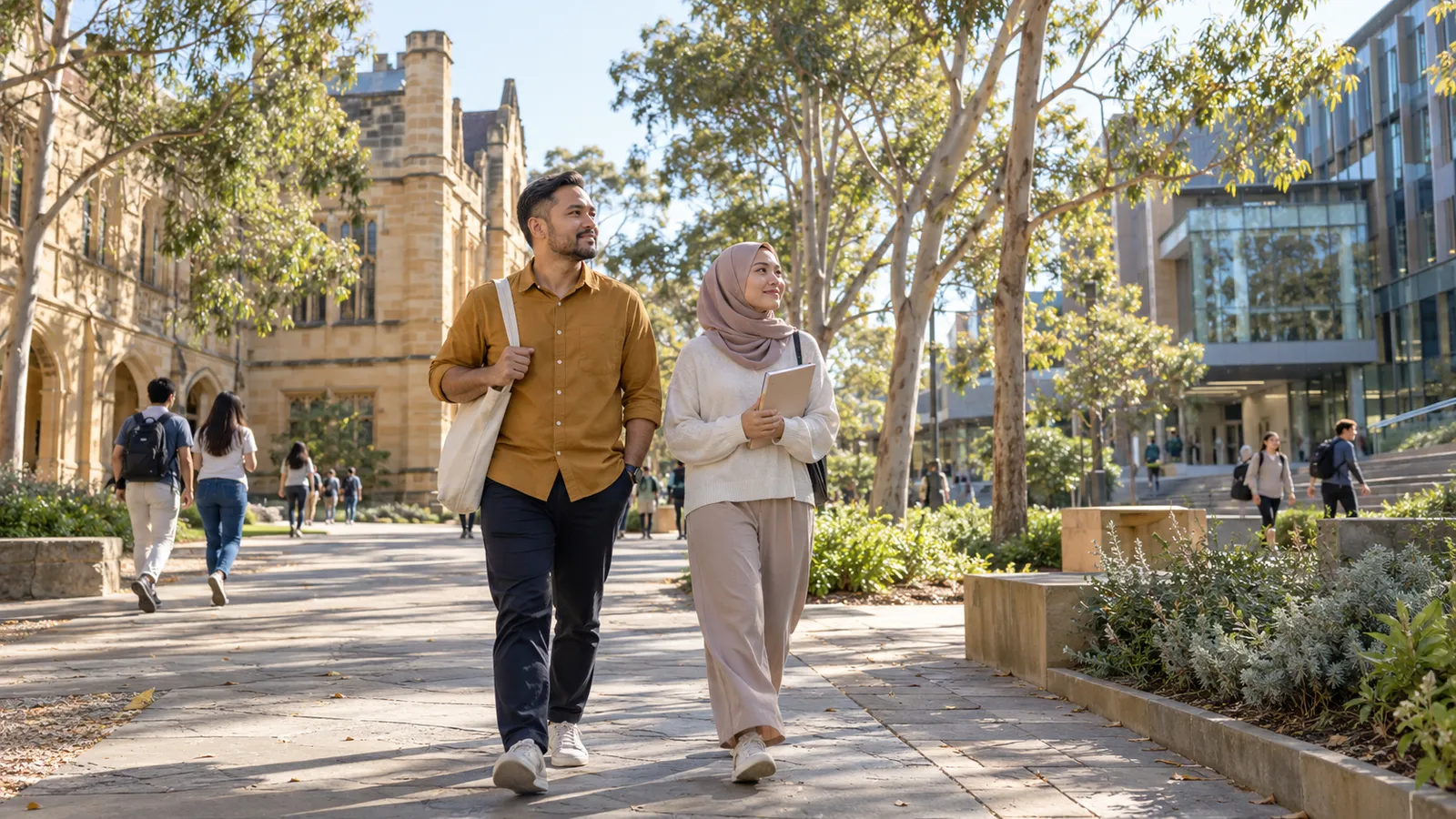
For a household in Singapore considering Australian study, the reported student visa proposals raised a practical question: would the plan still work if family members could not accompany the student or a later course change became harder? These were proposals under discussion, not confirmation that the restrictions had taken effect. Treat this archive account as background to a decision, rather than permission to apply under a particular arrangement.
Start with the household decisions that depend on permission
Write down what your intended course requires of the family: who would travel, who would remain employed in Singapore and whether children would need to change schools. Then identify which arrangements depend on immigration approval. An offer of enrolment does not settle every part of that plan.
The discussion followed two years of tighter international education settings, including higher financial-capacity and English requirements and slower visa processing for providers exceeding enrolment allocations. The wider debate had been running since 2023. The proposed next stage reached beyond admissions into how students could organise life after arrival.
| Reported proposal | Decision to examine from Singapore |
|---|---|
| Restrict further student visa applications lodged inside Australia. | Would the plan remain workable if a further application required departure? |
| Limit accompanying partners and dependent children to specified groups. | Could the family manage separate living arrangements if the proposed restriction applied? |
| Make changes between courses or education sectors harder. | Is the initial course suitable without relying on a later move into vocational education? |
Keep the proposed exceptions and timing in perspective
The groups described as potentially retaining family access were postgraduate research candidates, government-sponsored scholars and students from Pacific Island nations and Timor-Leste. A coursework master's should not be treated as a research degree. Equally, living in Singapore does not place a student within a proposed nationality-based exception.
The original discussion referred to a possible September start for the student measures and a broader immigration announcement the following month. Those were expectations at the time, not an ongoing application deadline. Before committing to an intake, consult the Home Affairs student visa information and ask the education provider how your proposed course and family arrangements fit the applicable settings.
Understand why the debate mattered
The migration forecast cited in the debate was 225,000 by 2027/28, compared with the post-border-reopening peak of 538,000 in 2022/23. These national figures explain the policy pressure; they do not establish an individual student's prospects.
The historical comparison was with the UK's dependant restrictions introduced in January 2024 for most students, while postgraduate research students and limited government-sponsored scholarship groups retained access. Canada had also capped study permits and increased financial evidence requirements. Those comparisons do not make another country's rules applicable to a Singapore resident seeking Australian study.
Universities questioned whether broad enrolment reductions adequately reflected education's wider contribution. Their argument distinguished educational quality and economic value from simply reducing volume. For families, the unresolved issue was whether any final package would differentiate between courses and circumstances.
Common mistakes when assessing a study plan
- Choosing an unsuitable course because a proposed family exception appears attractive.
- Assuming that arrival in Australia automatically provides the ability to change provider, sector or visa arrangements.
- Reading a historical September expectation as a new deadline.
- Treating an English-speaking background in Singapore as an automatic exemption from the evidence required.
If English-test preparation is relevant to the actual application, PractiseNow offers English-test practice. Keep preparation separate from confirming which evidence is accepted.
Frequently asked questions
Did the reported proposals confirm a family ban?
No. This account records proposals and possible exceptions, not an enacted blanket rule.
Should I choose research study solely to bring dependants?
Academic suitability still matters. Confirm the actual conditions before treating a course category as a family solution.
Is New Zealand automatically an easier alternative?
No. Its process needs separate examination. Our archive article on New Zealand student application timing explains a different planning issue.
Can I treat study as an assured route to sponsored work?
No. Read the separate discussion of employer concerns about skilled migration, then examine the actual conditions attached to advertised overseas roles.
Key takeaways
Build a study plan around a suitable course, realistic family arrangements and confirmed permissions. Keep historical proposals distinct from operative rules, and avoid making an irreversible commitment on the assumption that an exception or later course switch will be available.
#student visas #australia #family planning #study abroad #singapore
 Studying in Australia with family: what Singapore households should verify before committing
 Moving from Singapore to study in Australia? Check the family plan before committing
 Waiting in Singapore for an Australian partner visa? Keep your plans flexible