Australia needs electrical skills: where does your Singapore experience fit?
News · 2026-09-05 · 4 min read
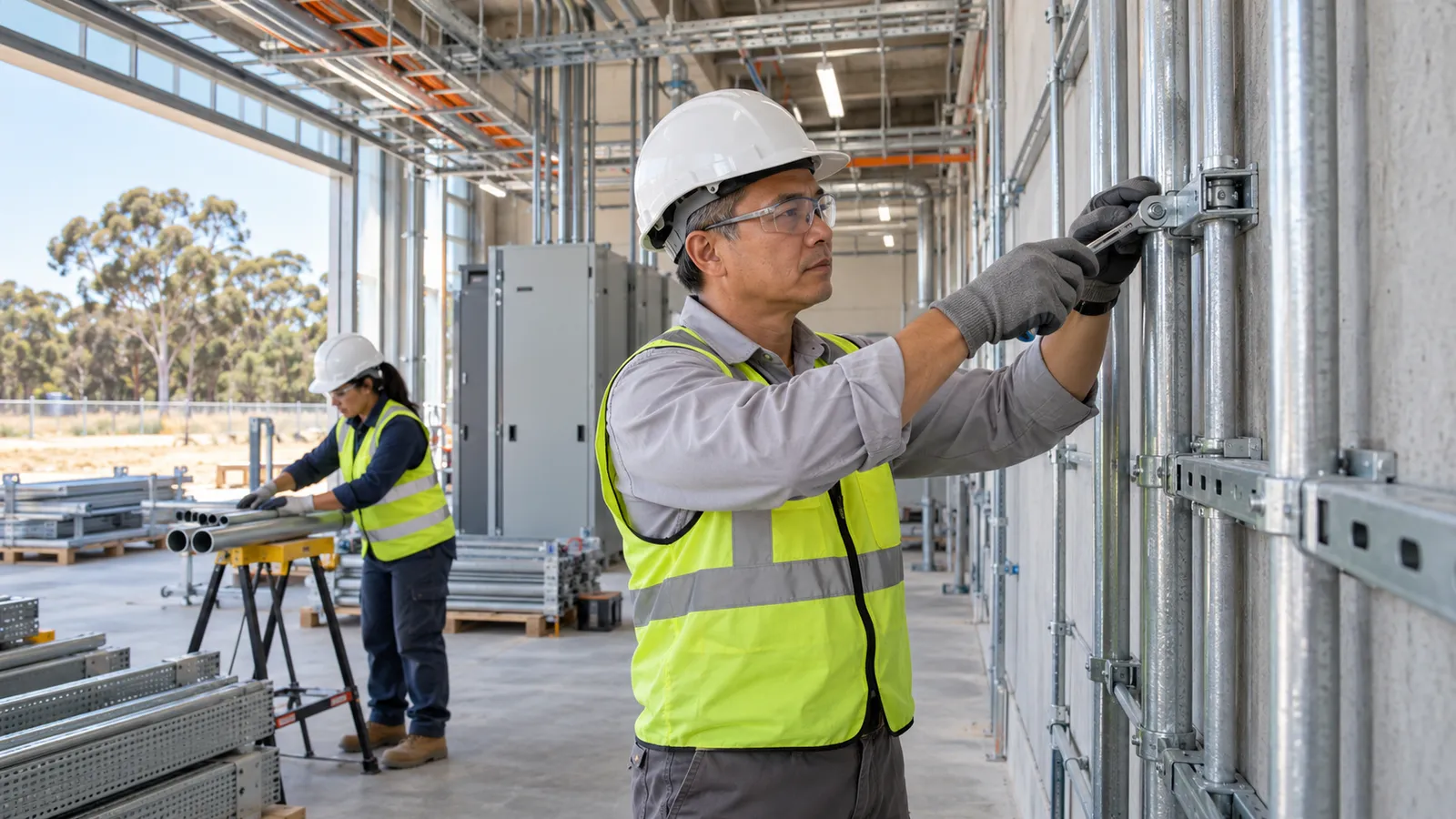
Australia's electrical workforce shortfall gives tradespeople in Singapore a reason to investigate overseas opportunities. The useful question is where your documented experience fits: data centres, housing and renewable energy need overlapping skills, but a forecast does not establish an individual vacancy, sponsorship offer or licence entitlement.
Read the demand figures as a project map
The workforce projections put additional demand for electricians, technicians and related tradespeople at roughly 72,000 by 2030, compared with a forecast shortfall of 42,000 a year earlier. Data centre development was a major driver. The construction pipeline was projected at around AUD150 billion by 2030, with more than 160 centres operating and another 130 planned. That sector alone was expected to require an extra 13,000 energy trades workers.
Alongside this sat the Housing Accord target of 1.2 million new homes and the renewable energy transition. These were competing demands on a shared workforce, rather than separate pools of readily available workers. An instrumentation technician should therefore examine the actual technical scope of a vacancy instead of assuming every electrical project needs the same specialism.
Match the project to work you can demonstrate
| Project setting | Application focus |
|---|---|
| Data centres | Describe relevant electrical or instrumentation work you personally performed, separating installation from maintenance. |
| Housing | Explain your building-services experience and responsibilities without presenting a Singapore credential as an Australian licence. |
| Renewable energy | Identify genuine energy-project experience and the equipment or systems you worked on. |
Collect employment records, training documents and referee details while they are accessible in Singapore. Use the award name printed on your Nitec, Higher Nitec, polytechnic or other certificate. The ITE certification framework distinguishes its awards; a generic description such as “technical diploma” can obscure what you actually completed.
For the migration assessment question, consult Trades Recognition Australia's programme information. Programme selection depends on factors including occupation, passport, study location and intended visa. Keep qualification assessment, occupational licensing and employer selection as separate enquiries.
What the training debate did, and did not, establish
Apprenticeship completion was put at 70%, yet training could not immediately satisfy projected demand. Smaller electrical contractors faced competition for experienced staff, while major infrastructure projects were also drawing apprentices away. Proposed responses included hiring quotas for major projects and compensation for smaller businesses losing trained workers. These were proposals, not benefits available to an overseas applicant.
The discussion highlighted a 12–18 month period for watching policy developments. Since March, government attention had included encouraging data centre operators to invest in local training. Occupation-list changes, regional project locations and training incentives were also areas to watch. The existing AUD10,000 clean energy apprenticeship incentive illustrated support for workforce development; any extension to overseas qualification recognition or bridging programmes remained speculative.
Common mistakes when turning demand into an application
- Treating a national shortage estimate as confirmation that a particular employer will sponsor you.
- Describing every technical role as electrician work and losing the distinction between electrical, instrumentation and other energy trades.
- Assuming a project outside a capital city automatically supplies a suitable regional visa route.
- Copying broad salary claims instead of checking the duties and conditions in the actual offer.
Use our trade-career comparison to consider recognition and earnings, and the WA processing-delay case study to understand why recruitment urgency can differ from immigration timing.
Frequently asked questions
Does the shortfall mean sponsorship is assured?
No. Difficulty recruiting locally may motivate an employer to consider overseas hiring, but the forecast does not confirm sponsorship for any vacancy.
Which experience should I put on my CV?
Show tasks, systems, project settings and your own responsibility. You can organise your trade experience with Build AI CV while keeping every claim supported by your records.
Does studying in Singapore settle recognition?
No. Preserve the original award and issuer, then establish what the relevant Australian assessment and licensing bodies require for your intended work.
How should I use the projections now?
Treat them as historical planning context. Compare available overseas job listings with your skills and confirm the employer's actual conditions before making commitments.
Key takeaways
The competing demands of data centres, housing and renewable energy explain the interest in electrical trades. For readers in Singapore, a practical response is to document relevant experience, investigate recognition and assess each written vacancy on its own terms. Policy possibilities and workforce projections remain distinct from an approved pathway.
#electrical trades #australia #singapore #skills recognition
 Considering an Australian office role from Singapore? Ask how AI is changing the work
 Planning study from Singapore? Keep the graduate visa proposal separate from your course choice
 Switching an Australian course? What students from Singapore should clarify before committing