Your Singapore trade skills may travel: what should you check before Australia?
Tips · 2026-09-07 · 4 min read

Your trade background can be a serious basis for exploring Australian employment. For someone working in Singapore, however, the sensible comparison is between documented skills and a specific overseas opportunity. A degree is not the only valuable qualification, and a trade certificate does not create an automatic migration fast track.
Compare the work before comparing the qualifications
The labour-market picture behind the trade-career discussion involved housing, energy and infrastructure drawing on electricians, plumbers, carpenters and bricklayers. Research had identified shortages in every major construction trade at some point over the preceding five years. Close to half of construction trade occupations remained short-staffed nationally in that account.
Carpentry, plumbing and electrical apprenticeship enrolments had increased over the preceding year, but a growing intake could not immediately produce fully qualified workers. That training lag helped explain sustained interest in experienced tradespeople. It did not mean every applicant could immediately perform licensed work or obtain a visa.
If you hold a Singapore Nitec, Higher Nitec, polytechnic diploma or WSQ credential, describe the award accurately and retain its issuing body's name. Pair it with records of the tasks you actually performed. Someone who maintains equipment, someone who installs systems and someone who supervises a team should make those differences clear rather than presenting identical applications.
Put earnings claims into the right comparison
| Career example | What the figure or claim means |
|---|---|
| Specialist or commercial electrical business | The discussion described potential six-figure earnings for a licensed operator, not an entry salary promised to a newly arrived worker. |
| Established solar operation | Tens of thousands of dollars in monthly revenue meant business income before costs, not the owner's take-home pay. |
| Graduate and senior professional careers | Medicine, law and senior corporate leadership remained prominent at the top of the earnings range; a broad trade-versus-degree comparison cannot replace a role-specific assessment. |
University-linked careers were still projected to provide most future job growth. The useful lesson is that vocational skills deserve proper evaluation, not that every degree has lost value. When reviewing an offer from Singapore, compare the written role, employment conditions and qualification requirements rather than borrowing another person's business results.
Recognition and hands-on experience deserve separate attention
The career argument also highlighted work that software cannot physically carry out: fitting equipment, accessing roof spaces, installing solar systems and diagnosing faults in 1950s wiring. AI may change tools and work processes, but that does not remove the need for practical installation and maintenance. Equally, it does not make any occupation immune to change.
Industry calls for a larger trade-worker share of migration intake and quicker overseas qualification recognition were proposals. The discussion also raised underused skills among migrants already in Australia. Neither point established that a particular qualification would be accepted or that an application would be prioritised.
Check Trades Recognition Australia's assessment programmes for the route relevant to your circumstances. Assessment, permission to perform regulated work and immigration eligibility address different questions. Our electrical-trades demand article connects this preparation to project sectors, while the WA recruitment-delay example explains why demand does not settle timing.
Common mistakes when choosing a trade pathway
- Renaming a Singapore qualification as an Australian award without an assessment.
- Using business turnover as a substitute for an employee salary comparison.
- Assuming regional demand removes occupation, licensing or visa conditions.
- Treating stories of employee-to-owner progression within a few years as a promised timetable.
Before applying, prepare examples that show your competence and responsibility. Build a role-focused trade CV with Build AI CV using your actual employment record. For interviews, prepare to explain technical work clearly so you can describe your contribution without overstating your scope.
Frequently asked questions
Must I obtain a university degree to explore trade jobs?
The discussion supports considering vocational experience on its merits. The qualification you need depends on the occupation and the relevant assessment, licensing and vacancy conditions.
Does a Singapore award automatically authorise Australian work?
No. Keep the exact award and supporting records, then clarify the recognition and licensing process for the work and destination you are considering.
Can I assume my trade will always be protected from AI?
No. Physical tasks remain important, but tools and employers' expectations can evolve. Explain both your hands-on competence and how you learn new methods.
Should I plan to become a business owner immediately?
Ownership was presented as a possible career development, not an entitlement attached to migration. Assess employment first through relevant overseas vacancies, and investigate business and visa conditions separately.
Key takeaways
Trade experience can offer a credible career direction alongside university routes. Applicants in Singapore should compare like-for-like earnings, preserve qualification details and document practical competence. Recognition, licensing, hiring and immigration each require their own evidence; shortage headlines cannot complete those steps for you.
#trade skills #australia #singapore #career planning
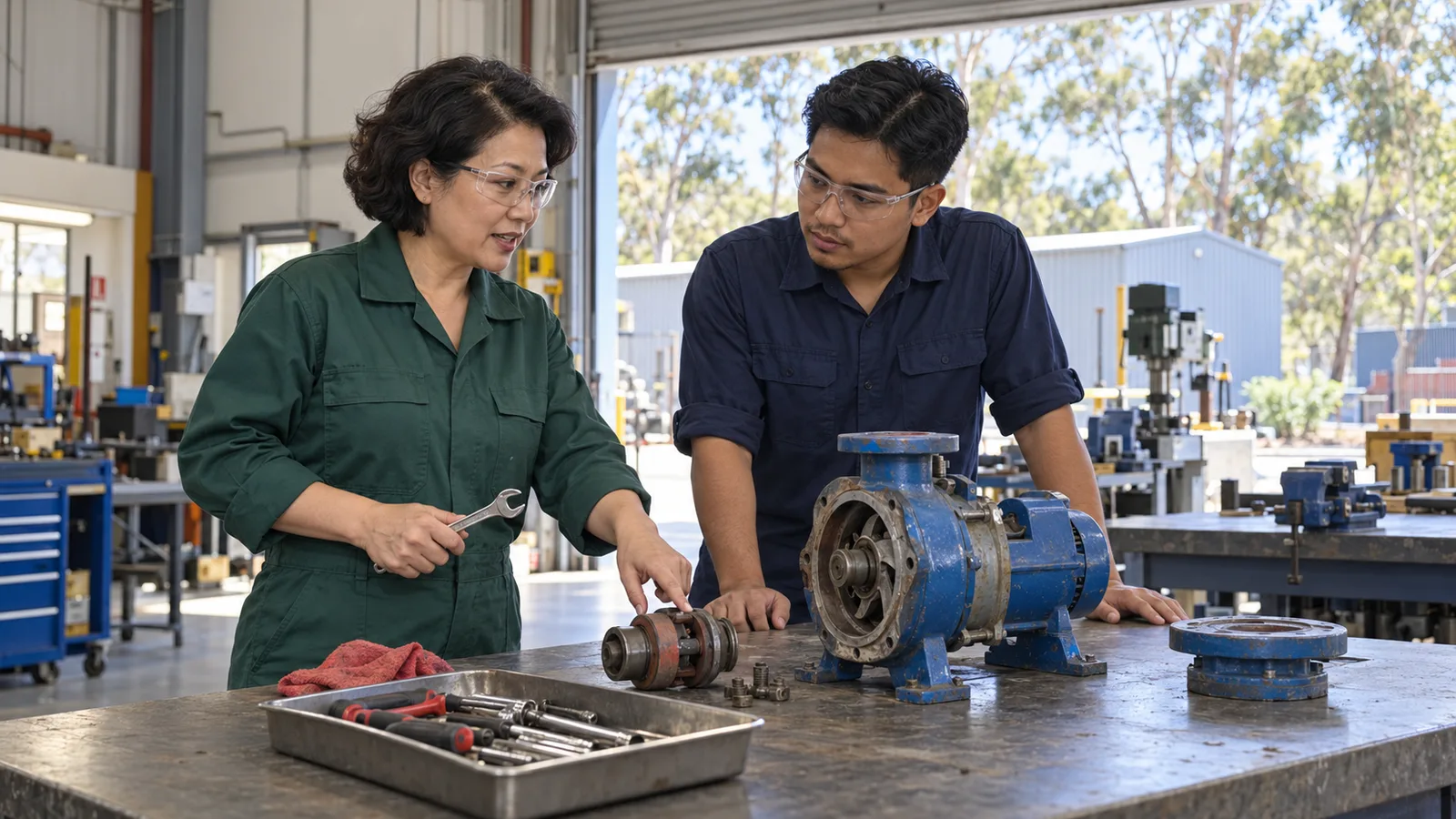 Australia trade interview questions: make Singapore experience clear
 Singapore nurse registration in Australia: does your practice history fit?
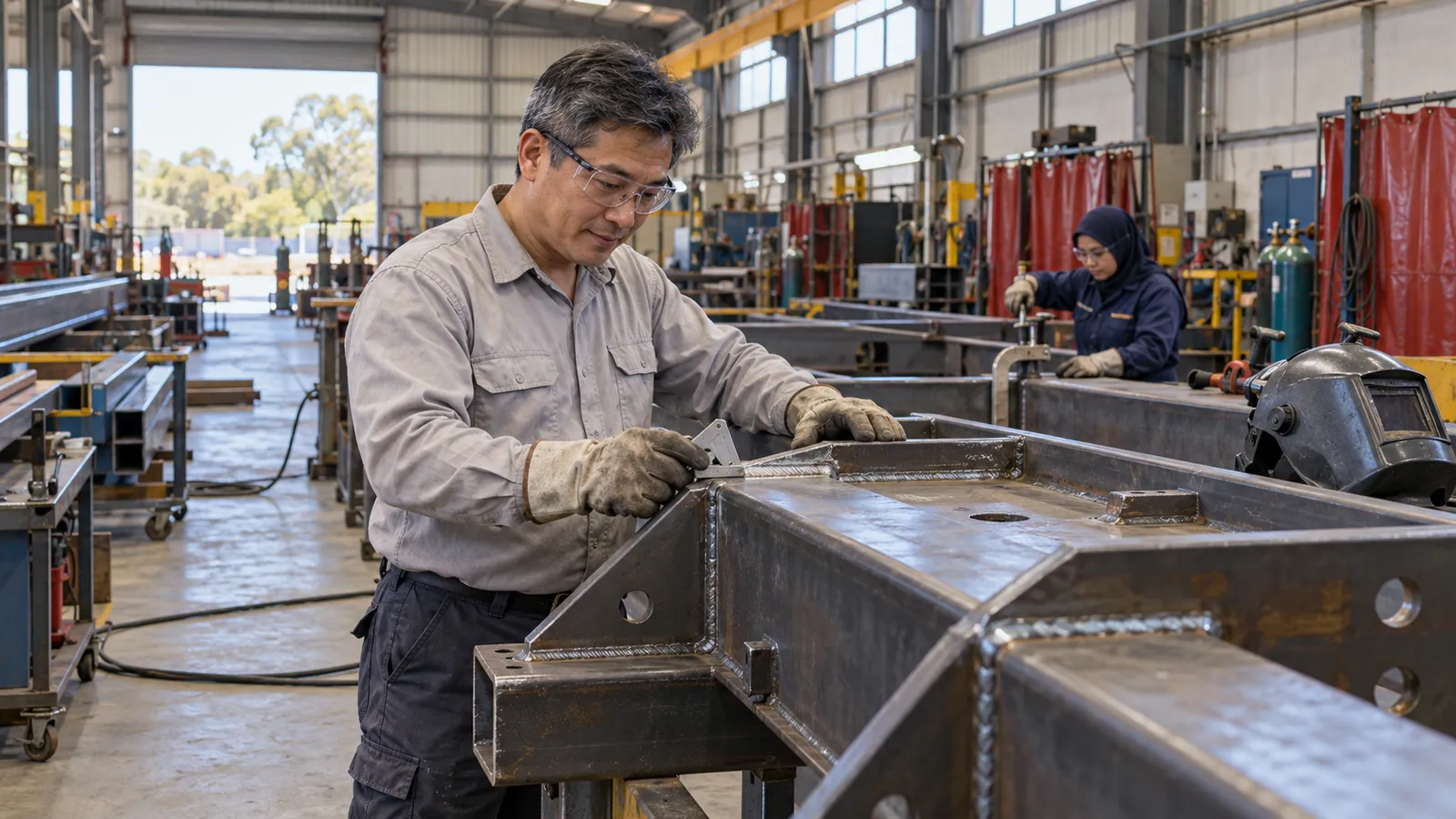 Welding experience in Singapore? Look beyond Australia’s shortage headline