Welding experience in Singapore? Look beyond Australia’s shortage headline
Tips · 2026-09-30 · 5 min read
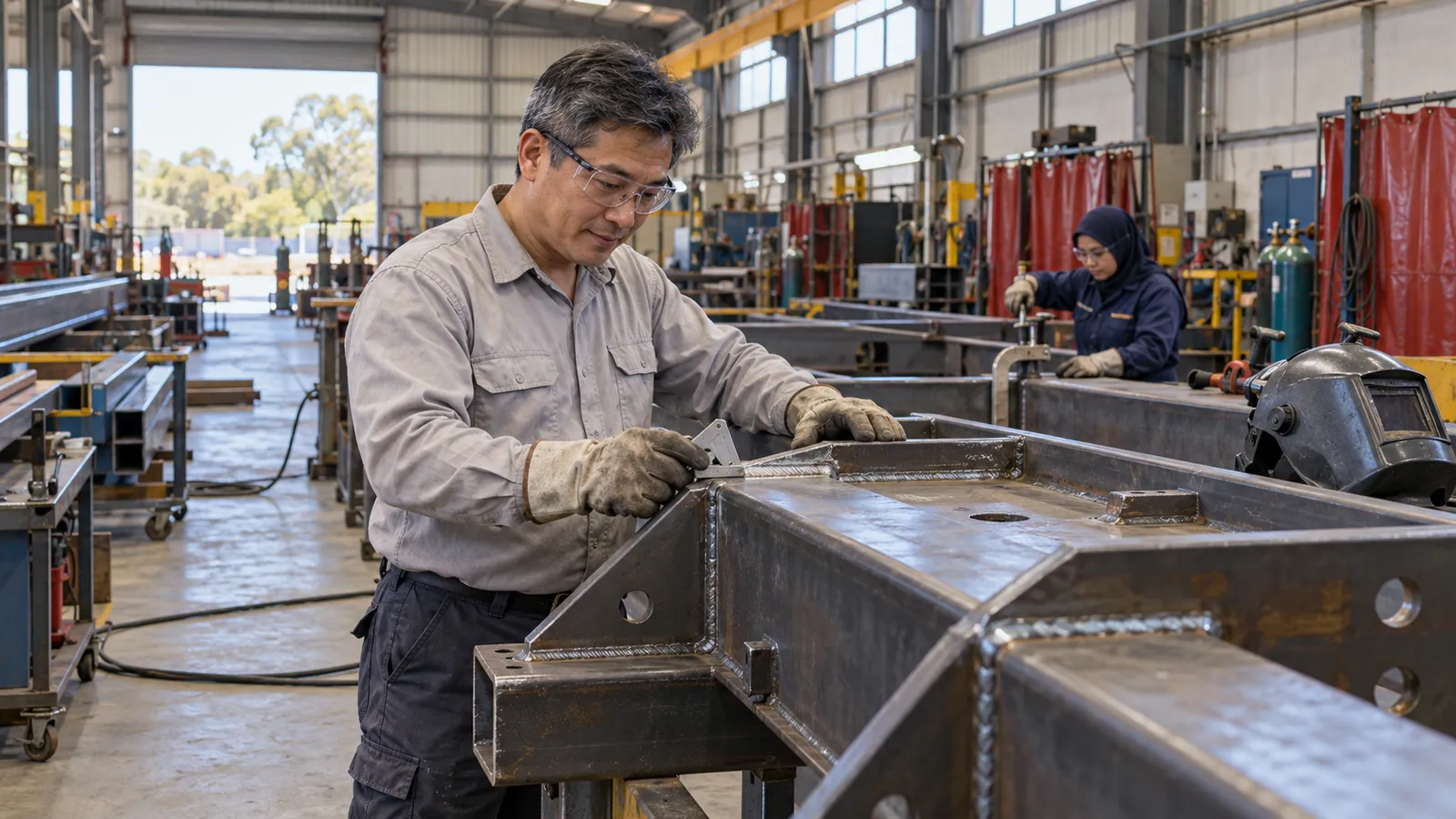
Australia's welding skills gap could matter to experienced tradespeople in Singapore, but it does not mean every workshop has work ready or every applicant has a visa pathway. The 2026 industry outlook combined concern about future capacity with weak confirmed workloads. Read both signals before making a career decision.
Ask about secured work as well as missing skills
In the 2026 Industry and Workforce Outlook Survey, 89.2 per cent of respondents considered Australia's qualified welding workforce insufficient for planned infrastructure and defence activity. Renewable energy projects also formed part of the wider demand picture. Yet six in ten respondents had three months or less of confirmed work, and one in five had none secured.
Almost 60 per cent of fabrication workshops operated below 75 per cent capacity. Respondents identified shortages of work and skilled staff as contributing factors. The distinction matters when reading overseas trade vacancies: a long-term industry need and a particular employer's immediate workload are different questions.
For a welder, boilermaker or fabricator applying from Singapore, discuss the actual work available, how your experience fits it and how the business develops its workforce. Do not infer a particular contract, benefit or sponsorship offer from an industry survey.
Use the commercial picture to frame interview questions
| Survey signal | Implication for evaluating an opportunity |
|---|---|
| 82.1 per cent reported higher energy prices; 78.5 per cent reported higher material costs. | Ask how the workshop organises production and handles operating pressures. |
| Only 28.5 per cent increased selling prices; nearly 40 per cent experienced lower gross profit margins. | A busy sector headline does not establish the commercial strength of an individual business. |
| Half increased technology investment, 42.8 per cent increased staff-training investment and 39.2 per cent increased research and development investment. | Explore the actual equipment, training practices and technical development relevant to the role. |
Prepare questions grounded in your own workshop experience. You can use InterviewTraining.ai to rehearse explaining trade decisions and discussing how you learn unfamiliar processes. Training expenditure in the survey is not a promise that a particular vacancy includes paid training.
Show what your Singapore training and work demonstrate
Quality concerns were prominent: about 71.4 per cent said imported fabricated products failed Australian standards at least sometimes, while 53.6 per cent said this happened often or very often. These were respondents' assessments, not a finding that every imported product was deficient.
Describe the standards you have actually worked to, your fabrication tasks and the evidence available to support them. Keep certificates, work records and referee details organised. Name an ITE award, polytechnic diploma or WSQ Statement of Attainment exactly as issued, preserving its issuing body. A Singapore credential should not be presented as automatic Australian trade recognition or licensing.
Further training may help some applicants address assessment or licensing needs. The industry called for stronger apprenticeships, pre-apprenticeship programmes, TAFE pathways and industry-led training. For an Australian qualification discussion, explore recognition of prior learning with RPLDirect; qualification recognition, migration assessment and permission to perform regulated work remain separate questions.
Keep proposed industry reforms in the future tense
The sector sought stronger local-content rules for government projects, independent verification of fabricated steel regardless of origin, support for a proposed Australian Fabrication Authority, and help for small and medium-sized businesses adopting advanced manufacturing. It also wanted procurement decisions to consider whole-of-life value rather than merely the lowest initial price.
These were requests, not enacted changes established by this archive. Businesses described access to work as a problem despite local capability. If project pipelines grew and local-content policies strengthened, demand could increase. About 79.5 per cent also felt welding lacked the respect it deserved; efforts to improve the trade's standing could influence future conditions, without promising a pay rise.
Common mistakes when planning an Australian trade move
- Equating a national skills gap with an individual job offer or visa approval.
- Renaming a Singapore award to sound like an Australian qualification.
- Assuming proposed procurement reforms have already created vacancies.
- Presenting training or equipment investment as an employment benefit.
Check the Home Affairs Skills in Demand guidance, relevant occupation lists and trade assessment requirements before choosing a route. A migration agent registered in Australia can advise on your circumstances. Our article on matching duties to occupations explains why role labels are insufficient, while the cross-border identity explainer covers consistency in personal records.
Frequently asked questions
Why can workshops be underused during a skills shortage?
They may lack secured projects while also lacking the qualified people needed for anticipated work. The survey reflected both pressures.
Does Singapore trade experience count automatically?
It can provide relevant evidence, but the receiving employer and assessment body examine what it demonstrates. Avoid claiming automatic equivalence.
Was the Australian Fabrication Authority already operating?
The archive described it as proposed. Support for its creation should not be written as confirmation of implementation.
Does this outlook establish sponsorship?
No. Sponsorship depends on the particular role, employer and applicable immigration conditions, not the survey's findings.
Key takeaways
Investigate actual workloads, present precise trade evidence and separate policy proposals from implemented measures. Australia's fabrication outlook offers reasons to investigate opportunities, alongside reasons to assess each position carefully from Singapore.
#welding #australia #singapore #trade evidence #fabrication #interviews
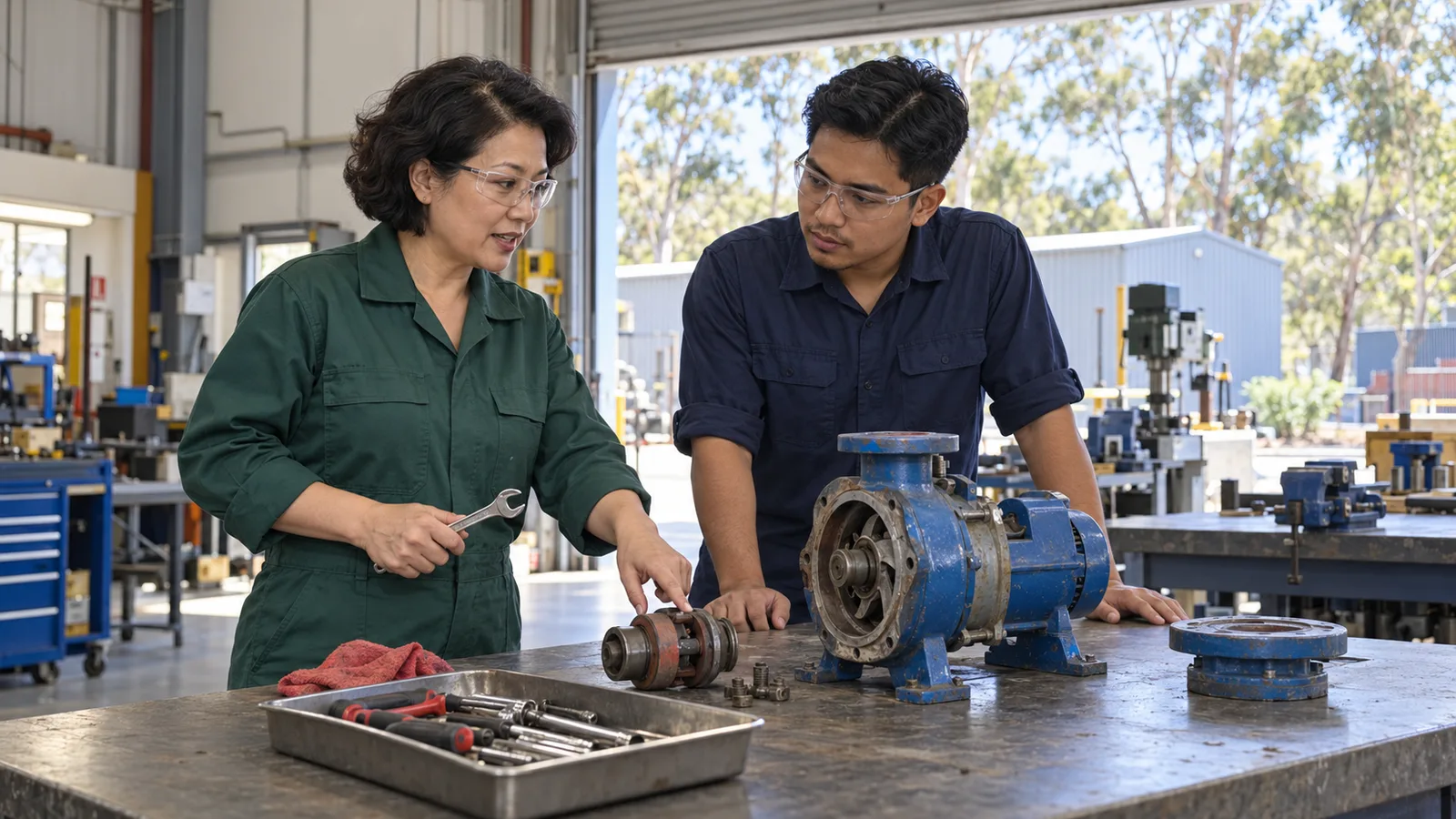 Australia trade interview questions: make Singapore experience clear
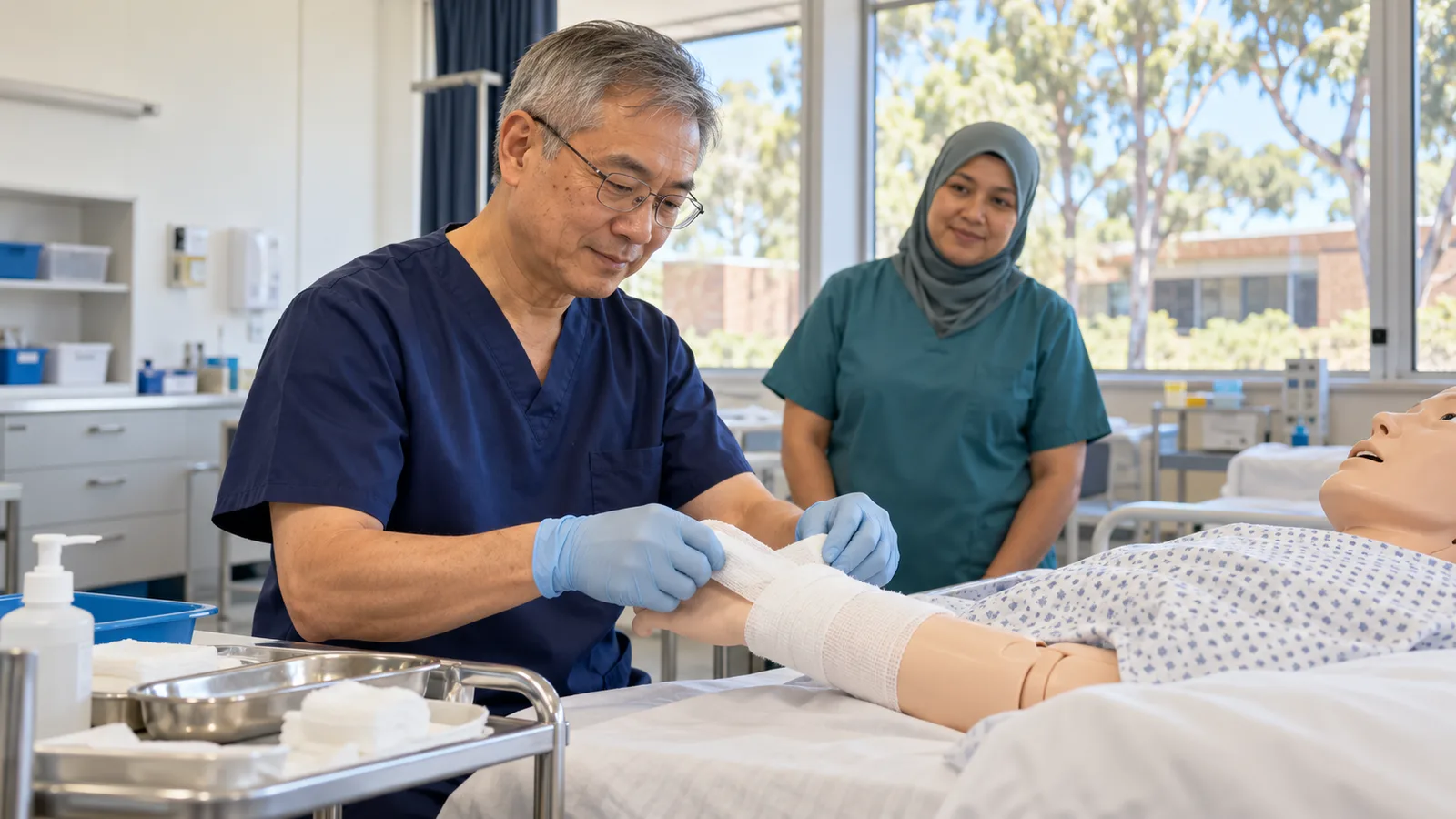 Singapore nurse registration in Australia: does your practice history fit?
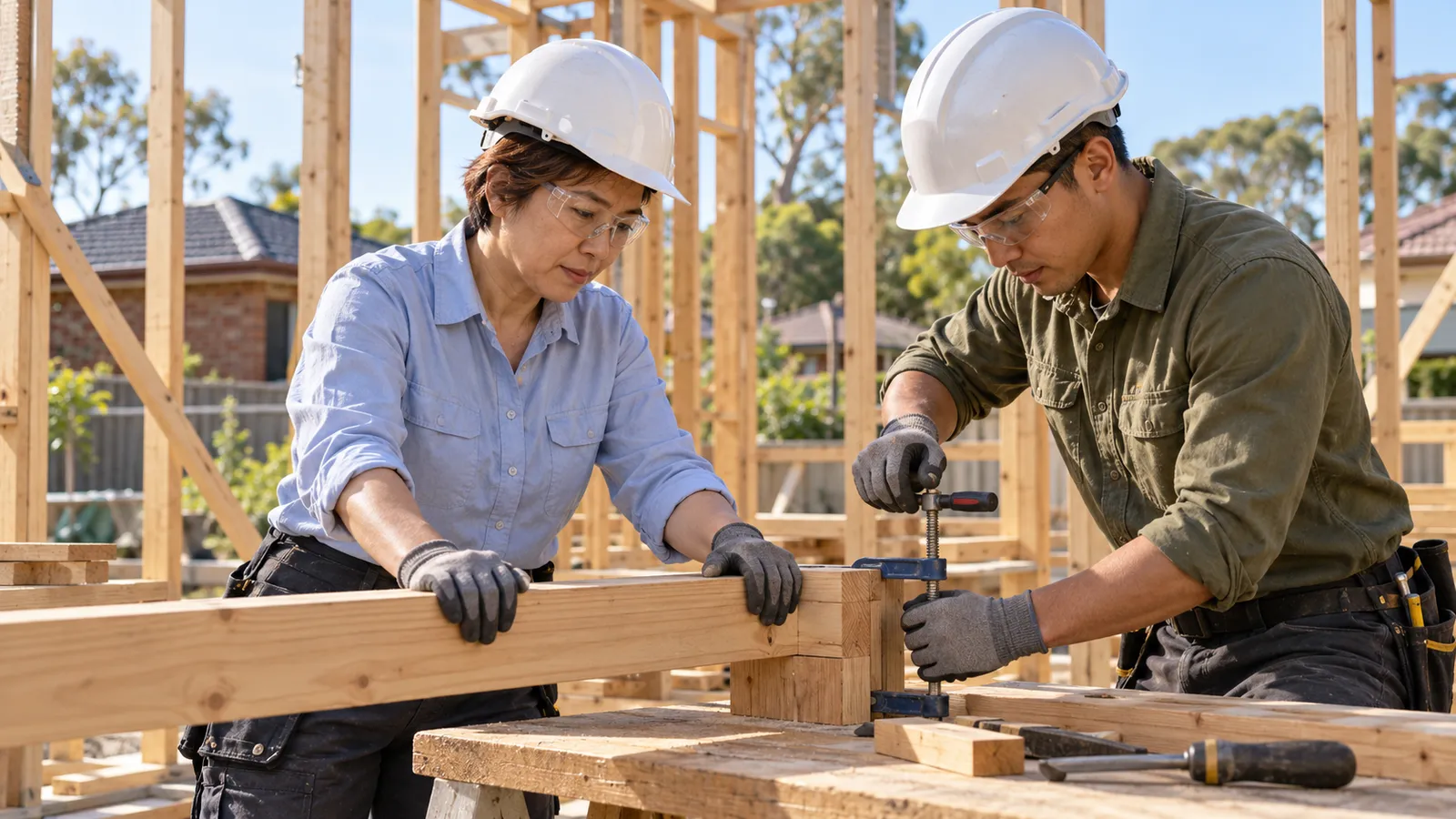 Your Singapore trade skills may travel: what should you check before Australia?