Canberra needs bricklayers: how can applicants in Singapore show their skills?
News · 2026-08-24 · 4 min read
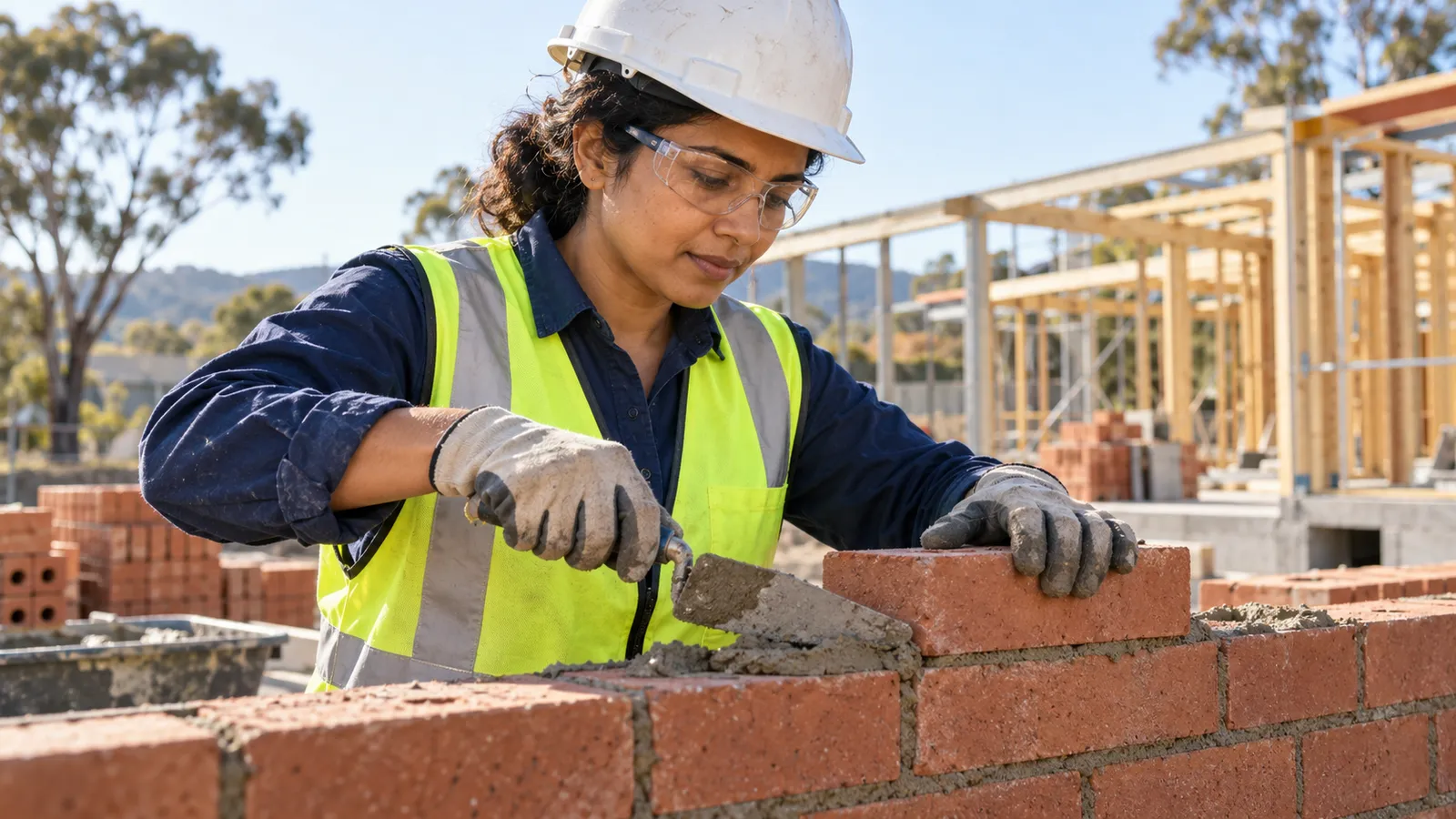
For a bricklayer applying from Singapore, Canberra's reported shortage offered a reason to investigate vacancies and prepare convincing evidence of workmanship. It did not establish that an individual would receive a job or sponsorship. This archive account describes a thin training pipeline alongside substantial building ambitions; its practical lesson is to make your own trade experience easy to assess.
Read the shortage through the work available
The reported ACT figures were striking: only seven bricklaying trainees, construction employment up by 10 per cent and apprentice numbers down by 20 per cent over the same period. The territory's commitment was 30,000 additional homes by 2030. Those figures described pressure on capacity, rather than a count of vacancies open to overseas applicants.
The pressures had different causes. Residential construction, where much apprentice training happened, was subdued, making a four-year apprenticeship harder for employers to commit to. Meanwhile, commercial projects and infrastructure, including light rail expansion, sustained labour demand. Apprentices also left when physically demanding labouring crowded out opportunities to learn trowel skills. Experienced workers over 40 were common on the sites described.
The observations included those of a trainer with 30-year industry experience and a local bricklaying operator with over two decades in business. Their concerns centred on workmanship and finding reliable tradespeople. That distinction matters: an employer needs evidence that an applicant can perform the actual work, not merely recognise a shortage headline.
Make a skills record that an employer can use
The archive described bricklaying in the ACT as an occupation without its own licensing requirement, allowing work on residential and commercial sites without proof of a qualification. Treat that as the regulatory context reported at the time, not blanket permission to undertake any building activity today. It does not establish immigration eligibility or remove an employer's ability to assess competence.
In Singapore, start with the exact award name on your certificate. The ITE certification system distinguishes its awards; avoid relabelling a Nitec, Higher Nitec or diploma as an Australian qualification. Keep the issuing institution, transcript and relevant practical training together so a reader can understand what you studied.
- Describe the bricklaying tasks you personally completed, separating skilled work from general site support.
- Choose project examples that explain your responsibilities and how workmanship was checked.
- Ask suitable referees to confirm your duties and employment history; ensure their evidence agrees with your CV.
You can organise your experience with Build AI CV once those records are accurate. Use overseas job listings to compare actual duties and stated conditions. The discussion of the proposed skilled-migration reforms explains why overseas qualification recognition remained a policy concern, while the regional impact of the working-holiday pause illustrates why labour demand and migration access must be assessed separately.
Common mistakes when responding to a trade shortage
A weak application substitutes broad claims about construction experience for evidence of bricklaying competence. Another mistake is treating low occupational licensing barriers as a promise of rapid hiring or sponsorship. Avoid implying that the housing target reserves work for you. Ask about the actual role, required evidence and any stated sponsorship conditions before making relocation commitments.
Frequently asked questions
Does the reported shortage mean sponsorship is available?
No individual sponsorship offer follows from a labour-market story. Assess the conditions of the specific vacancy and any employer proposal.
Should I include a Singapore trade certificate?
Yes, where relevant to your work. Use its precise title and issuer, and explain the practical training without claiming automatic Australian recognition.
How should I describe time spent labouring?
Label it accurately and distinguish it from work requiring developed bricklaying skills. A clear account is more useful than an inflated trade description.
Are the apprentice figures a current vacancy total?
No. They are historical workforce indicators in this archive account. They do not measure today's advertised jobs or overseas recruitment places.
Key takeaways
Canberra's reported training gap made skilled workmanship worth demonstrating clearly. Applicants in Singapore can prepare exact qualification records, specific project examples and credible referees, then test those strengths against real vacancies. Keep the historic shortage figures separate from current hiring decisions and personal migration eligibility.
#bricklaying #canberra #trade qualifications #singapore applications #construction
 Australian construction reform proposals: what tradespeople in Singapore can prepare now
 Australia needs more tradies: how should workers in Singapore prepare?
 Australia’s construction forecast: how should tradespeople in Singapore prepare?