Singapore qualifications overseas recognition: which body decides what?
Tips · 2026-11-01 · 9 min read

Nobody overseas "recognises" a Singapore qualification in one single step. An employer decides whether your award and experience fit a role, an assessing body decides whether your skills meet its standard, a licensing body decides who may work in a regulated trade, and the immigration department decides on the visa. This guide shows how to describe your ITE, WSQ, polytechnic or university record so that each of those readers can check it without guessing.
Five decisions that are easy to mix up
Most confusion comes from treating a good-looking certificate as an answer to every question. It answers none of them on its own. Each question goes to a different organisation, and each organisation sets its own evidence rules.
| Question | Who decides | What helps you |
|---|---|---|
| Is this person right for the job? | The employer | Exact award titles, a work history and referees who can confirm the duties |
| Does the qualification compare with a local one? | A qualification assessor, such as NZQA in New Zealand, when the receiving body asks for it | Certified copies, transcripts, the issuing institution's details |
| Do the skills meet the migration standard for the occupation? | The relevant skills assessing authority in Australia | The documents that authority lists for your occupation and passport |
| May the person work in a regulated trade or profession? | The licensing or registration body for that trade or profession | Its own application, often with supervised work or a practical assessment |
| Does the person get a visa? | The immigration department | A valid job offer where the visa needs one, plus the visa's own evidence |
Describe the award you actually hold
ITE's certification system separates the National ITE Certificate (Nitec), the Higher National ITE Certificate (Higher Nitec), the Technical Diploma and the Work-Study Diploma. Use the exact name printed on your certificate, and keep your transcript and training records. ITE's own certification system page is the place to check the names against, though it is a Singapore page, not an overseas assessor.
None of these awards is automatically an Australian trade qualification or licence. A recruiter or employer abroad may understand your award well, or may not, so the CV should let them see the level of training without relying on a comparison you made up. If you want a clearer layout for the document list, Build AI CV can help you structure the CV itself, but it does not change what an assessor needs from your certificates.
Polytechnic and university records
The same rule applies to a polytechnic diploma or a degree. Write the award title, the institution and the years, then attach the transcript when a form asks for it. Avoid shortcuts such as "Singapore degree equals a bachelor degree": that sentence is a conclusion the receiving body wants to reach for itself.
WSQ credentials
Singapore's Workforce Skills Qualifications system develops, assesses and certifies workforce skills. A WSQ credential is not itself an Australian or New Zealand occupational licence or a visa. WSQ 2.0 has a revised scope from 1 May 2026, so older certificates may carry an older issuer or format. A Statement of Attainment certifies one module, and a July 2026 notice on the Training Partners Gateway names a different agency from some earlier documents. Keep the issuer and award exactly as printed on each document, and do not rename an old award to match a newer one.
Australia: skills assessment and licensing are separate
A skills assessing authority checks that a person's skills meet the standards it sets for an occupation, and Home Affairs accepts an assessment only from the relevant authority. The department explains the idea on its skills assessment page. For many trades, Trades Recognition Australia runs the program, and which program applies depends on the occupation, your passport, where you studied and the visa you want. An ITE, WSQ or polytechnic award alone does not choose the program for you, so read the programs page before collecting documents.
Trades Recognition Australia does not award Australian qualifications, registrations or licences. If you want to work as an electrician or in another regulated trade, a skills assessment does not give you the right to do so. The state or territory body for that trade makes that decision. Our related guide on Singapore trade evidence for an Australian skills assessment goes through the records a trade assessment usually looks at, and the one for a Singapore electrician preparing for Australian licensing covers the licensing side.
If you want to see how qualifications and recognition of prior learning are structured in Australia, RPLDirect publishes information on both. Treat that as a place to learn the terms, not as a regulator or an assessment of your Singapore award.
New Zealand: use NZQA only within its scope
NZQA's international qualification assessment compares an overseas award with the New Zealand Qualifications and Credentials Framework. It does not simply accept another country's recognition evaluation. The right question is whether the actual receiving body, whether that is an employer, a registration board or Immigration New Zealand, asks for an assessment. Not every overseas qualification needs one, so confirm first on the NZQA page. Separate professional registration and immigration requirements still apply.
Registration can be its own process. For an overseas-trained electrical worker, the Electrical Workers Registration Board assesses an application for the appropriate registration class, and a Singapore licence or a job offer does not replace that process. Our guide on preparing EWRB registration evidence from Singapore sets out the records that board expects.
For an Accredited Employer Work Visa, Immigration New Zealand says a CV alone is not enough evidence of experience. Employment certificates and reference letters need supporting, independently verifiable material about employment and pay. A qualification is one piece of that picture, and the New Zealand AEWV guide explains how the visa fits together.
Steps to prepare your Singapore records
- List each award with its exact title, issuer, completion date and any certificate or transcript number printed on it.
- Separate full awards from single-module credentials such as WSQ Statements of Attainment, and list each module under its own title.
- Name the destination and the body that will read your documents: the employer, an assessing authority, a licensing board or the immigration department.
- Read that body's current requirements, not a summary from another country's page, and note which documents it asks to be certified or translated.
- Match your CV wording to your documents: the same award names, dates and employers' roles throughout.
- Ask referees to confirm the duties you performed in plain terms, and keep payslips and contracts that show dates.
When a role you want is advertised, compare the wording of its requirements with your records. Relevant roles on this site include trade jobs and engineering jobs, or a single advert such as the Fitter / Turner and Welder role in Christchurch. Use the advert's own conditions, and check the sponsorship and onshore wording for yourself.
Common mistakes
- Writing "equivalent to" on the CV. Only the receiving body can decide a comparison, and a made-up line invites questions.
- Treating a framework level or a similar title as proof. A similar award name in another country does not make the awards the same.
- Calling a module a qualification. A WSQ Statement of Attainment covers one module.
- Assuming a skills assessment is a licence. It is a migration step, and licensing is a separate decision by a different body.
- Assuming every overseas qualification needs an NZQA assessment. Check whether the actual receiving body asks for one.
- Renaming old awards. Keep the issuer and title as printed, even when the agency has changed since.
Where to ask before you spend money
Because the rules differ by occupation, passport and visa, ask the specific body before you pay for translations or certification. A registered migration agent in Australia or a licensed immigration adviser in New Zealand can advise on your visa, which is a different service from a recruiter or from this site. For a wider comparison of routes, our route comparison for Singapore applicants may help you decide where to start.
Frequently asked questions
Does an ITE Nitec or Higher Nitec count as an Australian trade qualification?
Not automatically. ITE's certification system names each award separately, and none of them is by itself an Australian trade qualification or licence. What an Australian or New Zealand body decides depends on the occupation, the program and the evidence you submit alongside the certificate.
Can I say my polytechnic diploma is "equivalent" to an Australian diploma?
It is safer to write the exact award title, the institution and the dates, and let the receiving body decide any comparison. An equivalence you invent in a CV can be contradicted by the assessing authority, and a mismatch between your CV and your documents makes an employer's checks harder.
Does a WSQ Statement of Attainment prove a full qualification?
No. Each Statement of Attainment certifies a single module, so it shows what you completed, not a complete award. Describe it as a module with its title and issuer exactly as printed, and list any related certificates separately.
Do I need NZQA to compare my qualification before applying in New Zealand?
Not in every case. NZQA's international qualification assessment compares an overseas award against the New Zealand framework, but whether it is needed depends on the receiving body, such as an employer, a registration board or Immigration New Zealand. Ask that body first, and do not assume every overseas qualification needs one.
Does a skills assessment give me a licence to work in my trade?
No. A skills assessment is a migration step, and Trades Recognition Australia does not award Australian qualifications, registrations or licences. Licensing is decided by the state or territory body for your trade, so treat the two as separate processes with separate evidence.
Can this site confirm that my Singapore qualification will be recognised?
No. JobsAbroad Singapore is a job platform, not an assessing authority, a licensing body or a migration adviser. The article explains who decides what, so you can ask the right body the right question before you apply.
Key takeaways
- Employers, qualification assessors, skills assessors, licensing bodies and immigration each decide a different thing.
- Write the exact award, issuer and dates from your certificate, and let the receiving body decide any comparison.
- A WSQ Statement of Attainment covers one module, not a full award.
- A skills assessment is not an occupational licence.
- Confirm whether the actual receiving body asks for an NZQA assessment before you pay for one.
#singapore qualifications #ite nitec #wsq #skills assessment #nzqa #trade licensing
 Australia trade interview questions: make Singapore experience clear
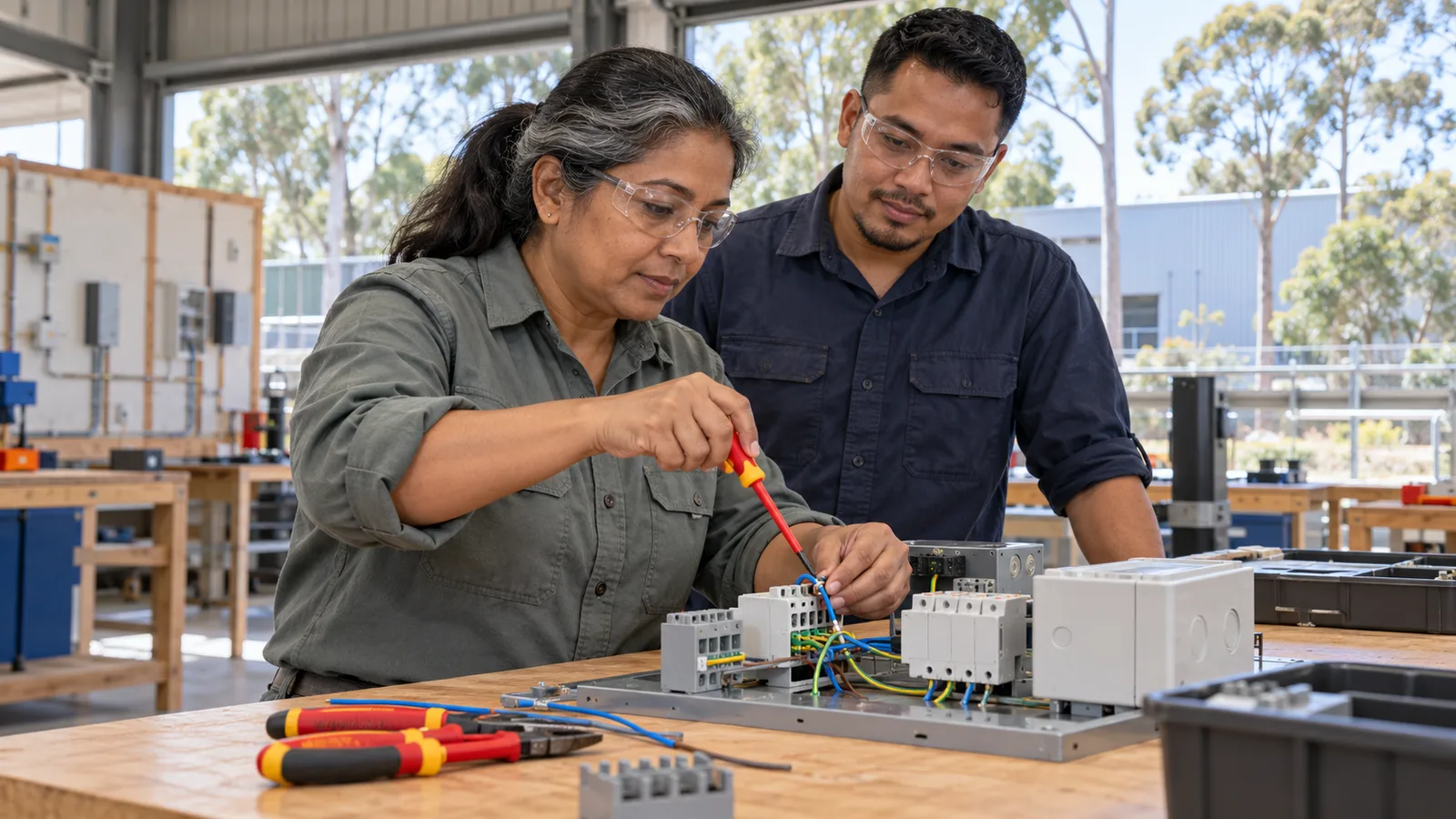 Singapore electrician to Australia: can your records support the work you want?
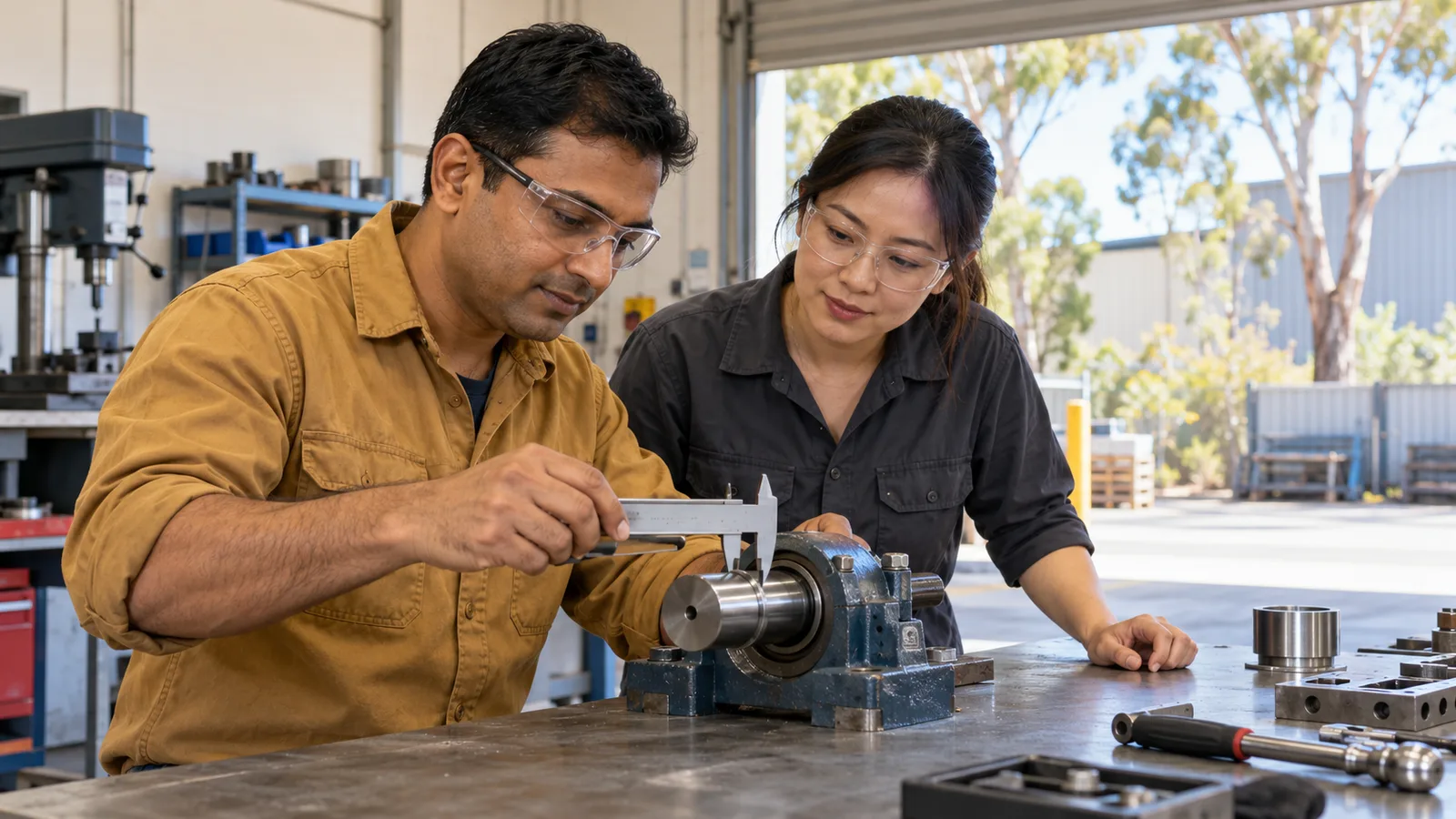 Skills assessment from Singapore: can your records show the work Australia needs?