Can you run the system, not just use it? Singapore applicants and New Zealand’s AI skills gap
Tips · 2026-09-16 · 4 min read
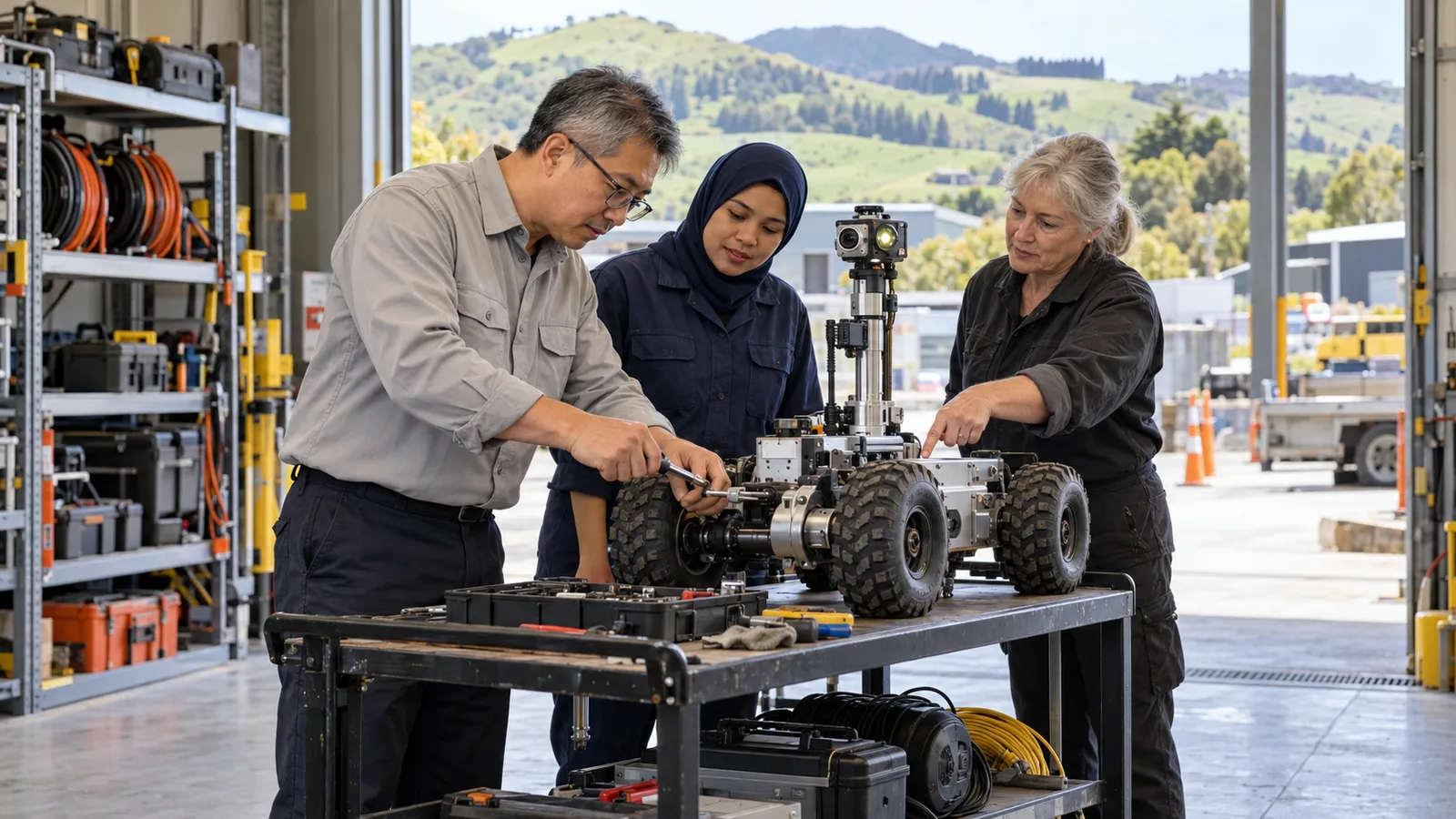
For applicants in Singapore considering technical work in New Zealand, knowing an AI tool is only a starting point. A stronger application explains how you changed a process, maintained a system or helped colleagues use automation responsibly. The historical 2026 workforce discussion identified a gap between buying technology and developing the people needed to make it useful.
Read the spending split as a skills question
The striking allocation was 93% of AI spending towards technology and 7% towards people and skills in New Zealand organisations. That 93/7 split suggested that purchasing systems could outpace the ability to operate them effectively. It was a workforce planning concern, not evidence that every business had a vacancy or would sponsor an overseas applicant.
The same discussion placed production use of agentic AI at around one in eight organisations globally. Keep the scope clear: that was a global observation, while the spending split concerned New Zealand. A demonstration or pilot does not establish that a system is reliably supporting everyday work.
Build your application around the work you changed
Choose a real project and describe the original task, the problem, your contribution and the outcome you can substantiate. Explain who checked the output, how exceptions were handled and what colleagues needed to learn. If you only tested a tool, say so. Do not present a trial as a production deployment or claim responsibility for work done by someone else.
For experience gained in Singapore, make local job titles understandable through concrete duties. Retain the exact qualification and awarding body shown on an ITE, polytechnic, university or WSQ document where relevant. A training record can support your account of learning; it does not automatically establish overseas registration or recognition.
Use Build AI CV to organise project evidence alongside employment dates and responsibilities. Keep confidential workplace material out of public portfolios, and describe verifiable results without inventing performance figures.
Match your examples to the employer's operating environment
| Work setting | Evidence worth explaining |
|---|---|
| Office processes and shared services | Workflow redesign, human review and helping staff adopt a changed process. |
| Agriculture, utilities and infrastructure inspection | Relevant experience operating or maintaining autonomous equipment, drones or remote robotics. |
| Transport, aviation and healthcare systems | Relevant operational judgement, security controls and responses when digitally dependent systems fail. |
These examples reflect the sectors discussed in the workforce analysis; they are not additional requirements for an advertised job. New Zealand's dispersed population, regional labour gaps and ageing workforce formed the backdrop. Technical operators and infrastructure specialists were part of the picture alongside office users of AI.
Domestic retraining and targeted international hiring were presented as complementary responses where local skills could not be developed quickly enough. Our archive on AI and changing recruitment in New Zealand adds context. The discussion of New Zealand's infrastructure workforce helps explain why practical technical capability matters outside an office.
Prepare for interview questions about security and team learning
The analysis also described AI making phishing and vulnerability probing faster and more sophisticated. As physical services become digitally dependent, weak staffing and poor training can carry operational consequences. In an interview, explain how you identify uncertainty, escalate a problem and work within your actual authority. Prepare an example of a difficult handover or an error you helped resolve, making your own contribution clear.
Compare your evidence with the responsibilities in current overseas vacancies. Then practise explaining technical decisions with InterviewTraining.ai, including what you would do when automation produces an unreliable result.
Common mistakes in AI-focused applications
- Listing products without explaining the work performed.
- Combining global adoption figures with New Zealand spending data as though they measure the same thing.
- Treating a skills shortage as an entitlement to a job or immigration approval.
- Overstating seniority, system ownership or specialist experience.
Frequently asked questions
Does the spending split prove that employers are recruiting?
No. It identifies a workforce development issue. A specific vacancy must be assessed on its own terms.
Is this only relevant to programmers?
No. The discussion included system operators, infrastructure specialists, workforce planners and people responsible for team development.
Can a course certificate replace practical examples?
It can document learning, but you should separately explain what you have applied and what someone can verify.
Should I describe experience from Singapore differently?
Explain unfamiliar titles and processes clearly while preserving your real responsibilities, qualifications and level of authority.
Key takeaways
Use the historical AI discussion to sharpen how you present your capabilities. Show relevant work, credible judgement and the ability to help people operate changed systems. Match that evidence to each role without turning a broad skills concern into a promise of employment.
#ai #new zealand #technical skills #singapore #career preparation #interview preparation
 Waiting for results in Singapore? Keep your New Zealand study plan moving
 Considering an Australian office role from Singapore? Ask how AI is changing the work
 Australia trade interview questions: make Singapore experience clear